

Shift of Russian grain exports to the Baltic brings new logistics risks
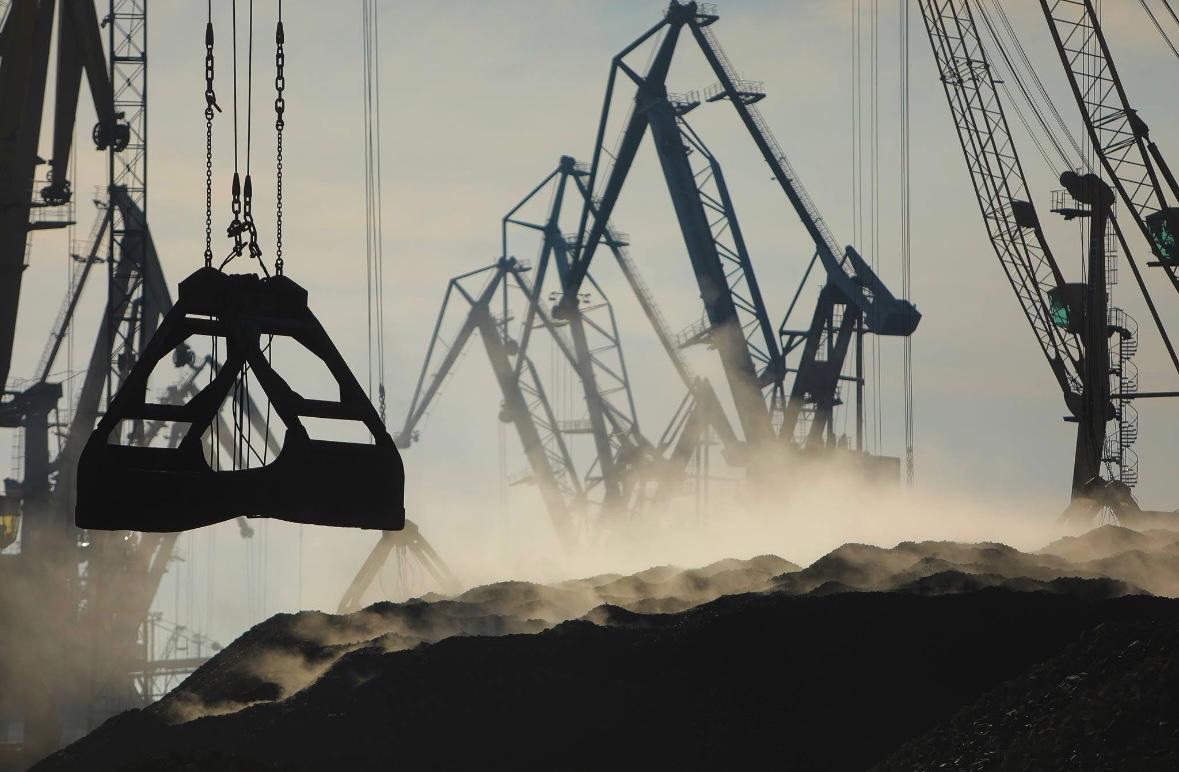
The shutdown of major grain terminals in Taman and Novorossiysk has sharply reduced available capacity for Russian grain exports. In the 2025/26 season, 46.3 mln tons of grain were shipped through the Azov-Black Sea basin, accounting for around 90% of Russia’s total seaborne grain exports. With disruptions in the south, exporters are increasingly looking for alternative routes, and the Baltic Sea is becoming one of the main options.
The first option is to increase handling through Russia’s own ports, primarily Ust-Luga and Vysotsk. Their combined grain handling capacity is estimated at around 8 mln tons per year, so Russia is seeking to expand it. In particular, a new grain terminal with a design capacity of around 4 mln tons per year is planned in Vysotsk.
However, Russian Baltic ports themselves remain exposed to wartime disruptions. In 2026, Ukrainian drones have already demonstrated the ability to reach Russian port infrastructure in the Baltic region. As grain flows become increasingly concentrated in a small number of major Russian ports, any disruption to their operations would have a growing impact on exports. Distance from the Black Sea no longer means that logistics infrastructure is protected from military risks.
A second potential reserve is the ports of Latvia, Lithuania and Estonia, whose combined grain handling capacity is estimated at around 23–25 mln tons per year. Klaipeda can handle around 9–10 mln tons, Riga 7.5 mln tons, Ventspils and Liepaja about 2.5 mln tons each, and Muuga around 2 mln tons.
Access to this reserve, however, is not guaranteed. Latvia has already approved legislative changes allowing faster revisions of rail infrastructure charges for grain transit from Russia, while LatRailNet has been asked to consider raising the fee to 300% of its current level. Lithuania is also considering further transit restrictions, while Estonia has said that the use of its ports for Russian grain is unacceptable and is currently almost non-existent. In addition, these terminals already handle domestic grain and cargoes from other European exporters, meaning their full nominal capacity cannot be redirected to Russian transit.
Another factor is the geography of the route and the risk of further military-political escalation. Ust-Luga, Primorsk, Vysotsk and St. Petersburg depend on shipping through the eastern Gulf of Finland, after which vessels enter the Baltic Sea and continue through the Danish Straits. With the number of hybrid incidents in the region increasing, further escalation cannot be ruled out. In the event of a direct conflict between Russia and NATO countries, the operation of this corridor could become sharply more difficult due to military activity, shipping restrictions and higher insurance risks.
As a result, the Baltic is becoming one of the main backup routes for Russian grain exports, but it is not a full substitute for the Black Sea. Russia’s own ports have limited capacity and remain exposed to wartime disruptions, while access to the much larger capacity of neighboring countries depends on port utilization and political decisions. Russia is already investing in new grain infrastructure in the Baltic, but a sharp deterioration in the security environment could quickly undermine the practical value of new routes and major investments — much as disruptions have already affected logistics in the Azov-Black Sea basin.
Read also
IGC raises global corn production forecast but expects grain stocks to decline
Brazil’s soybean acreage expansion to slow to a 20-year low — Conab
China’s phosphate fertilizer exports collapse to near zero, worsening global...
NATO to discuss threats to Black Sea shipping following attacks on commercial vess...
Russia seeks to retain its share of Egypt’s wheat market




Got additional questions?
We will be happy to assist!
Write to us
Our manager will contact you soon