

EU removes longstanding restrictions on Canadian linseed imports
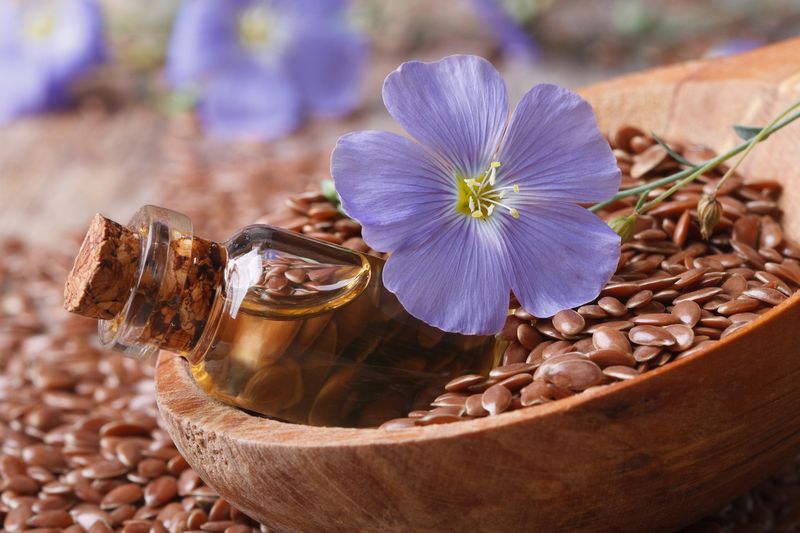
The European Union has officially ended the sampling and testing protocol for Canadian linseed exports that had been in place since 2009. The announcement was made by Agriculture and Agri-Food Canada (AAFC), with the decision taking effect on May 1, 2026. The move marks an important step in strengthening trade relations between Canada and the EU.
The restrictions were originally introduced after traces of a genetically modified linseed variety known as CDC Triffid were detected in a shipment exported to Europe in 2009. At the time, Canadian linseed exports were temporarily suspended, and a special testing protocol was established to monitor every shipment entering the European market.
Over the past 13 years, Canadian authorities have not recorded a single new detection of the unauthorized GM linseed. Following years of monitoring and cooperation between Canada, the European Union, the Canadian Grain Commission, and industry representatives, both sides concluded that the additional controls were no longer necessary.
Canada’s Agriculture Ministry stated that the removal of the non-tariff barrier confirms the high quality, safety, and reliability of Canadian agricultural exports. Officials also noted that the protocol had created extra costs and administrative burdens for Canadian exporters, placing them at a competitive disadvantage compared to suppliers from other countries.
Canada is one of the world’s largest producers and exporters of linseed. In 2025, the country produced more than 454,000 tonnes of the crop and exported nearly US$230 million worth of linseed, including more than US$73 million shipped to the European Union. The Canadian government expects the removal of the restrictions to create new opportunities for farmers, processors, and future agricultural export growth in Europe.
Read also
Latvia plans 300% tariff on grain from Russia and Belarus
Join the 4S Business Summit Rotterdam 2026
Ukraine prepares beef for export to the UK
Certified sustainable palm oil already accounts for 20% of the global market
Grain is the second most sensitive issue in Poland after historical disputes




Got additional questions?
We will be happy to assist!
Write to us
Our manager will contact you soon