

Soybean futures fell as the market grew frustrated by US-China negotiations
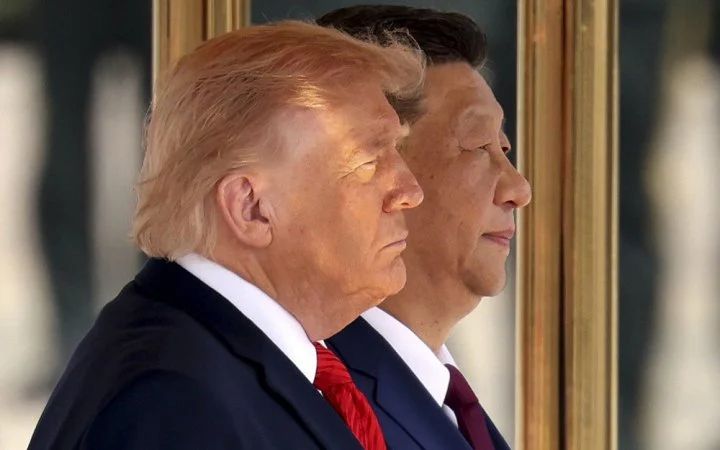
Soybean futures fell, reversing after statements by US officials during a visit to China that yielded nothing but promises and no new details about possible agricultural purchases. Corn futures also lost some of their gains, Bloomberg reported.
US Trade Representative Jamieson Greer said China would make large purchases of US agricultural products, and President Donald Trump stressed that the country would consider “large volumes of soybeans for our farmers.” However, no new oilseed deals have been announced yet.
According to Greer, China will buy “tens of billions of dollars” of US agricultural products annually over the next three years. He also confirmed the current agreement to purchase 25 million tons of soybeans per year, reached during a meeting between Trump and Chinese President Xi Jinping in South Korea in late 2025. The new deal will cover not only soybeans, but also other agricultural products.
China’s final statement following the latest talks said it would expand cooperation in agriculture and other areas, but gave no specifics.
Against this backdrop, soybean futures in Chicago fell, corn slowed its rise to 0.3%, and wheat fell 0.7%. Market participants are expecting clearer parameters of the deals, including the volume and timing of purchases.
The sharp drop in soybean prices the day before was caused by disappointment over the lack of new agreements and details after the talks between Trump and Xi Jinping, said Cornucopia Agri Analytics strategist Tobin Gorey. A small market recovery on Friday suggests that markets are quickly moving away from this factor.
While China has not officially confirmed the 25 million ton commitment, Greer said most of the purchases are expected later this year, traditionally after the U.S. harvest, when its products become more competitive.
If these volumes are realized, it would mean a return to historical average levels of soybean trade, not an expansion. China has already fulfilled a commitment to buy 12 million tons of U.S. soybeans after last year’s talks, resuming trade after a long hiatus.
Shanghai JC Intelligence analyst Hanver Li said that stable relations between the countries are key to expanding agricultural trade.
“It’s not just about soybeans. If the talks are successful, trade in other commodities could increase — corn, wheat, DDGS and ethanol,” he said.
Trump said in a Fox News interview that China would buy large volumes of U.S. agricultural products.
“They have, as they say, unlimited appetite. “When you have a population like that, they need it, and we have the best products,” he said.
Greer also noted that China has already begun to implement some of the agreements, including reinstating the registration of American beef exporters. Bloomberg reported that Beijing has renewed import permits for hundreds of such companies.
Read also
Ukrainian farmers expand commercial pumpkin production
US soybean crush falls to 13-month low
Global wheat supply deficit triples, increasing upside price risks
India to involve 40,000 farmers in mustard yield improvement program
Russia’s wheat planting area declines for the fourth consecutive season




Got additional questions?
We will be happy to assist!
Write to us
Our manager will contact you soon