

Iran declares Strait of Hormuz fully open to commercial traffic
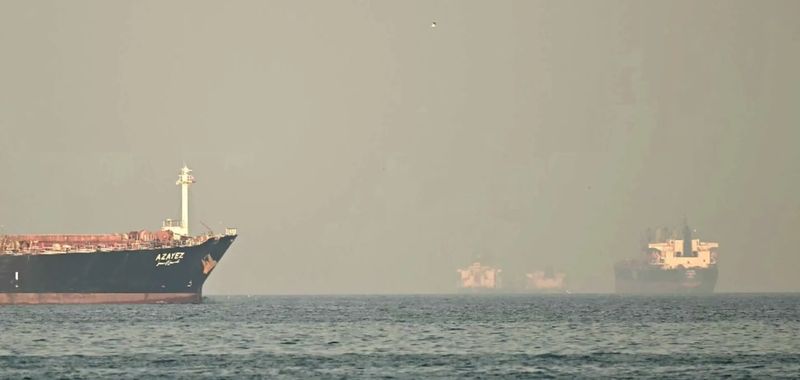
Iran has announced the full reopening of the Strait of Hormuz to commercial shipping during the ceasefire between Israel and Lebanon. Foreign Minister Seyed Abbas Araghchi stated that vessels are allowed to transit the strait provided they follow coordinated routes designated by Iran’s maritime authorities.
The decision comes amid a 10-day ceasefire agreement between Israel and Lebanon, which took effect on April 17. The conflict between Israel and Hezbollah, an Iran-backed group, has been a key point of tension in negotiations between Tehran and Washington.
Following the announcement, global oil prices dropped sharply by more than 11%, highlighting the strategic importance of the strait for global energy markets. The Strait of Hormuz is one of the world’s most critical routes for oil transportation.
Earlier, on April 7, US President Donald Trump agreed to a two-week ceasefire with Iran in exchange for fully reopening the strait. However, Iranian officials accused the US of violating the agreement, as Israel continued its military operations in Lebanon.
Despite the formal ceasefire, the strait had remained largely closed due to disagreements over the terms, with only a limited number of commercial vessels passing through each day. Its full reopening is expected to help stabilize global energy markets.
For almost 30 years of expertise in the agri markets, UkrAgroConsult has accumulated an extensive database, which became the basis of the platform AgriSupp.
It is a multi-functional online platform with market intelligence for grains and oilseeds that enables to get access to daily operational information on the Black Sea & Danube markets, analytical reports, historical data.
You are welcome to get a 7-day free demo access!!!
Read also
EU risks becoming dependent on China amid aviation fuel feedstock shortages
Ukraine to compensate shipowners for up to 80% of losses from Russian attacks
Soybean cultivation in Europe shifts north due to drought
Global beef production to decline by more than 3% for the first time in five years
Indonesia launches new palm oil export monitoring system




Got additional questions?
We will be happy to assist!
Write to us
Our manager will contact you soon