

Malaysia’s B15 biodiesel rollout from June 1 aimed at strengthening national energy security — minister
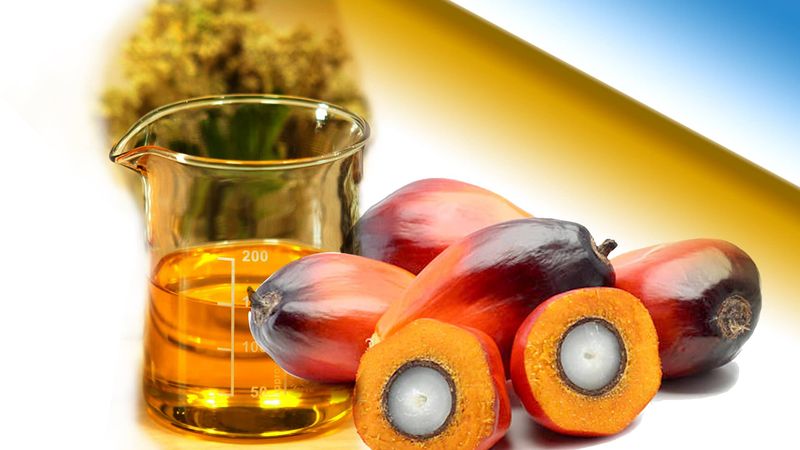
Malaysia will introduce B15 biodiesel fuel starting June 1, containing 15% palm oil-based biodiesel. The government says the move is intended to strengthen the country’s energy security, reduce dependence on imported fossil fuels, and support the national transition toward a low-carbon economy. Authorities stressed that the increase in biodiesel blending was carefully planned, taking into account domestic palm oil supply balances and existing infrastructure capacity.
According to Minister of Plantation and Commodities Noraini Ahmad, Malaysia produces around 20 million tonnes of palm oil annually, of which about 16 million tonnes are exported. The B15 program will require only around 0.8 million tonnes of feedstock, meaning the initiative is not expected to affect the country’s palm oil export volumes.
The government noted that the B15 blend was selected as the most practical compromise following consultations with industry stakeholders. The rollout does not require major upgrades to existing infrastructure and can be implemented in the near term. At the same time, B20 biodiesel programs are already operating in several regions, including Sarawak, Labuan, and Langkawi.
To support the expansion of the B20 program, the government has already allocated 42 million ringgit for infrastructure upgrades. In addition, the Ministry of Plantation and Commodities has requested another 56 million ringgit to modernize fuel distribution terminals, particularly in the Klang Valley area. Authorities view the broader use of biofuels as part of the country’s long-term energy transition strategy.
Malaysia’s national biodiesel program began in 2011 with the launch of the B5 mandate for the transport sector. The country later expanded to B7, B10, and B20, and is now preparing for broader implementation of B15. B10 biodiesel contains 10% palm methyl ester (PME) and 90% petroleum diesel, while B20 includes a 20% biofuel component.
The introduction of B15 is expected to raise domestic palm oil consumption to around 0.8 million tonnes per year, compared to 0.53 million tonnes under the B10 program. Full implementation of B20 in the future could increase domestic palm oil demand to more than 1 million tonnes annually, helping support smallholder incomes and stabilize the local market.
In the longer term, Malaysia aims to introduce the B30 standard for land transport by 2030. The government believes the development of the biodiesel industry will become a key element of the country’s energy transformation and help reduce carbon emissions while supporting the strategically important palm oil sector.
For almost 30 years of expertise in the agri markets, UkrAgroConsult has accumulated an extensive database, which became the basis of the platform AgriSupp.
It is a multi-functional online platform with market intelligence for grains and oilseeds that enables to get access to daily operational information on the Black Sea & Danube markets, analytical reports, historical data.
You are welcome to get a 7-day free demo access!!!
Read also
Russia forced to turn to grain storage bags, following Ukraine’s earlier exp...
Ukraine could increase its domestic soybean crushing share to 74%
Jordan makes no purchase in tender for 120 thsd tons of wheat
Drought cuts Germany’s grape harvest to 2010 levels
Malaysian palm oil rises to two-week high on El Niño supply risks




Got additional questions?
We will be happy to assist!
Write to us
Our manager will contact you soon