

Indonesia’s move to B60 will require new biodiesel capacity — Wilmar
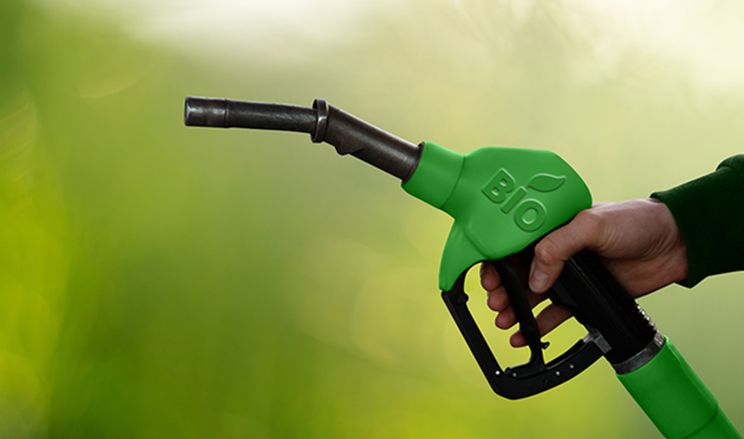
Any further increase in Indonesia’s mandatory biodiesel blend beyond B50 will require new production capacity, Wilmar’s group head of biofuels Rahul Kale said at the APPEC 2026 conference in Singapore. According to him, even under the current B50 mandate, utilization of existing plants is already approaching very high levels.
Indonesia launched its B50 program on July 1, raising the biodiesel share in diesel fuel under the public-service-obligation segment to 50%, while the non-PSO segment remains at B40. S&P Global Energy Horizons estimates that domestic biodiesel demand in the country could rise to 13.85 mln tons in 2026.
At the same time, approved production quotas for 2026 remain largely unchanged at 15.646 mln kiloliters, equivalent to around 13.77 mln tons. This means there is limited room for further demand growth without expanding the production base, while a move to B60 would require additional investment.
Higher domestic biodiesel consumption would also mean stronger demand for palm oil, potentially reducing export availability. At the same time, Wilmar believes the current economics of the program remain supportive, as diesel is currently more expensive than biodiesel, while levies and duties on palm oil exports help finance the program.
Separately, Wilmar is assessing opportunities in Indonesia’s emerging ethanol sector, including the use of biomass and sugar-processing by-products. The company already participates in ethanol mandate programs in India and Australia and sees Indonesia as another potential market for expansion.
Read also
Brazil exhausts China beef quota as 67% duty applies above limit
Egypt’s wheat imports fell 77% in September
Global butter prices were broadly stable in September
Wheat extends gains as Russia-Ukraine escalation risks threaten Black Sea supplies
US to receive first Belarusian potash shipment in four years




Got additional questions?
We will be happy to assist!
Write to us
Our manager will contact you soon