

Cool and wet weather increases disease and pest pressure on Ukraine’s winter crops
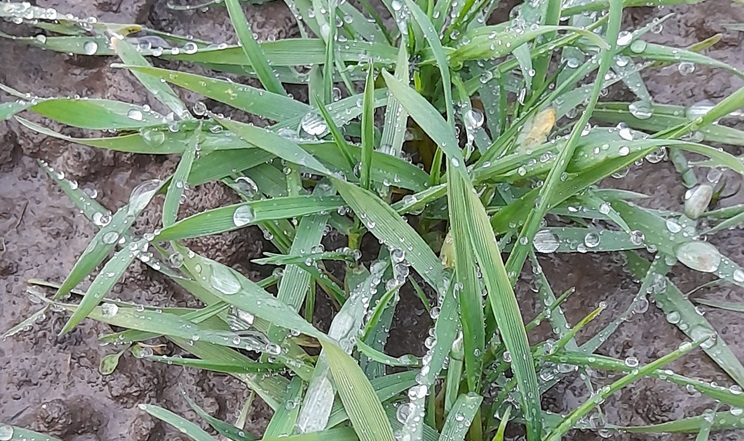
Cool temperatures, variable cloud cover, and periodic rainfall over the past week have created favorable conditions for the development and spread of diseases and pests in Ukraine’s winter grain and rapeseed crops. According to the State Service of Ukraine on Food Safety and Consumer Protection, pathogens responsible for major fungal diseases remain present in fields, while pest activity continues in some regions.
Signs of powdery mildew, Septoria, Helminthosporium leaf diseases, brown leaf rust, and root rot have been detected on 2–17% of surveyed winter wheat, barley, and rye areas. Overall, 1–6% of plants were affected, with Septoria infection reaching up to 15% in some locations.
In the Steppe and Forest-Steppe regions, as well as parts of Polissia, cereal ground beetle larvae continue to feed at low activity levels. With average populations of 0.2–1 larva per square meter, they have damaged 1–3% of plants. Meanwhile, second-generation winter cutworm caterpillars have damaged 1–2% of winter crops. In Dnipropetrovsk and Kherson regions, their populations locally reach two caterpillars per square meter.
Fungal diseases are also spreading in winter rapeseed fields. Alternaria, downy mildew, Phoma stem canker, and white leaf spot have been detected on 5–27% of surveyed areas. The proportion of affected plants ranges from 2% to 10%, while disease severity remains relatively low at 1–2%.
In addition, crucifer flea beetles, whiteflies, cabbage aphids, and winter cutworm caterpillars continue to feed in some rapeseed fields, affecting 2–6% of plants. Further disease development and pest activity will depend on weather conditions, particularly temperatures and rainfall.
Read also
Malaysian palm oil production expected to decline in November
Russia complicates Kazakh grain transit to the EU amid shift in its own export routes
European sunflower oil prices rise by $60–65/ton after Ukrainian plants halt opera...
Wheat prices rise again amid escalating tensions in the Black Sea
Coming Up in UkrAgroConsult Reports: Key Market Signals




Got additional questions?
We will be happy to assist!
Write to us
Our manager will contact you soon