

Global meat prices are breaking records
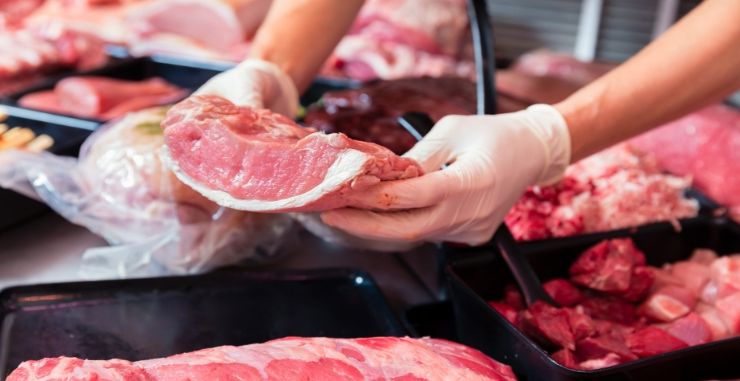
In April 2026, world meat prices reached a new historical high. This is evidenced by updated data from the Food and Agriculture Organization of the United Nations (FAO). The overall meat price index increased by 1.2% compared to March and by 6.4% year-on-year. The increase affected almost all major meat types, except for lamb, where prices remained relatively stable.
Beef made the largest contribution to the growth, which set new price records. The reason was high export quotes in Brazil and limited supply of cattle for slaughter. This is due to the recovery of the livestock after previous reductions. Additional pressure is created by high demand from China, which is actively filling import quotas under the new trade policy.
The situation on the pork market is heterogeneous. In the European Union countries, prices are increasing due to seasonally increased demand. At the same time, Brazil is experiencing the opposite trend – excess supply leads to some price reduction. Thus, the global pork market is showing mixed dynamics depending on the region.
Poultry prices also continued to rise. In Brazil, this was facilitated by increased demand from African countries, which stimulated export deliveries. However, logistical difficulties arose in the Middle East, in particular disruptions to transportation via sea routes, which forced suppliers to change logistics chains.
Mutton remains the only category where significant price changes were not recorded. In Australia, there is an increase in value due to limited export stocks, but this is offset by a decrease in prices in New Zealand. There, demand from China, a key sales market, has weakened somewhat, which has affected the overall supply balance.
The general increase in meat prices is already having a tangible impact on consumers in various countries. Rising food costs are particularly painful for people in middle- and low-income countries. Against the backdrop of inflationary pressures, this could worsen the situation with food availability.
At the same time, meat producers benefit from high prices, which stimulate investment in livestock farming and modernization of production. However, experts warn that if the upward trend continues, some consumers may gradually switch to cheaper alternatives, in particular plant-based proteins, which will change the structure of the global food market.
Read also
Algeria buys 500 thsd tons of wheat in tender
Turkey warns of food security risks from Black Sea escalation
Maersk raises container rail rates between Ukraine and Constanța
Ukraine urges Baltic ports not to handle Russian grain exports
Brazil to harvest record soybean and corn crops — Conab




Got additional questions?
We will be happy to assist!
Write to us
Our manager will contact you soon