

Fertilizer shipments through the Strait of Hormuz remain near zero
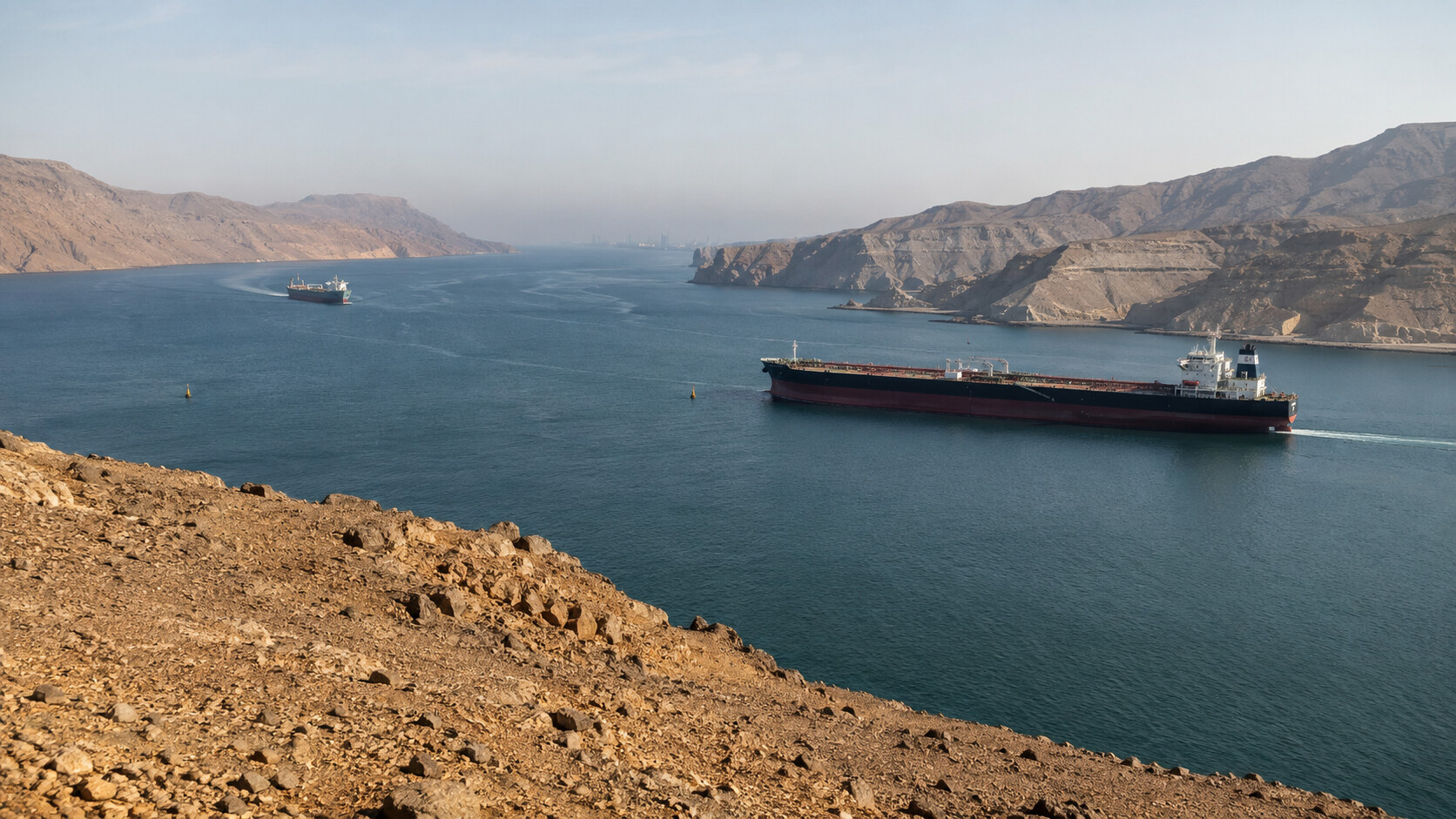
Fertilizer shipments through the Strait of Hormuz remained near zero in early September 2026, according to the WTO-AXSMarine Strait of Hormuz Trade Tracker. Outbound fertilizer and LNG flows from the Persian Gulf through the strait have not materially recovered following the sharp decline seen in late 2025.
Before the disruption to shipping, the Strait of Hormuz handled around 20% of global nitrogen fertilizer trade, primarily ammonia and urea from Middle Eastern producers. Significant volumes of sulfur, a key feedstock for phosphate fertilizer production, also moved through the route.
Iran and Oman agreed in August on coordinates for safe shipping routes, but this has not yet resulted in a meaningful recovery in commercial traffic. Shipping companies remain cautious due to insufficient insurance coverage and uncertainty over security guarantees.
Against this backdrop, global fertilizer supply chains continue to rely on alternative routes. Middle Eastern producers are redirecting some cargoes through the Red Sea and the Suez Canal or using pipeline alternatives, increasing transport costs and transit times.
A separate consequence of the restrictions is the ongoing sulfur shortage. Prices remain above $1,000/t, while phosphate fertilizer producers in Egypt, Brazil and India are reducing output due to high feedstock costs.
Read also
Coming Up in UkrAgroConsult Reports: Key Market Signals
Dragon Capital forecasts reopening of Black Sea grain corridor in 2027
Iran and Afghanistan are the only markets where Russian wheat has gained market share
USDA raises US corn production forecast
Global palm oil stocks to fall to lowest level since 2017/18 — USDA




Got additional questions?
We will be happy to assist!
Write to us
Our manager will contact you soon