

European Commission proposes special restrictions for Ukraine’s agricultural sector after EU accession
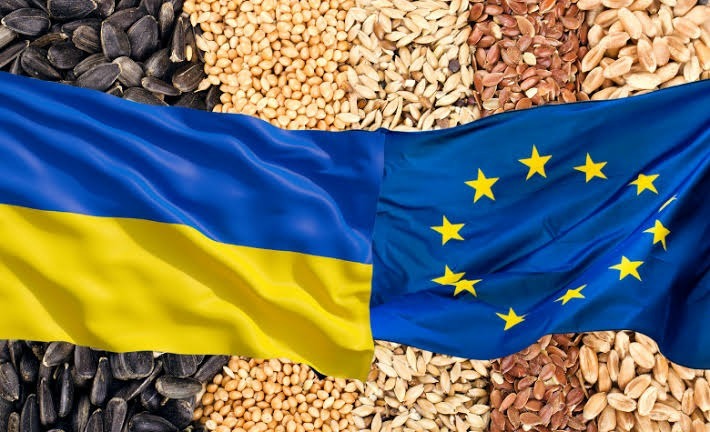
The European Commission has presented a package of proposals to prepare the EU for future enlargement, including the possible use of transitional restrictions and special safeguard mechanisms for new member states even after they formally join the bloc. The document was published on October 6 and currently serves as a basis for further discussion within EU institutions rather than as a set of final rules.
The Commission has paid particular attention to Ukraine’s agricultural sector. Given its scale, structure and high productivity, special mechanisms are proposed that could significantly limit financial support and access to the EU market for sensitive agricultural products, including grains. The approach is intended to reduce the risk of a sharp increase in competition for farmers in existing EU member states.
The restrictions could apply not only to market access but also to Ukraine’s participation in the EU agricultural subsidy system. At the same time, Brussels proposes helping Ukraine preserve and restore its traditional export destinations outside the EU, including markets in North Africa and other third countries.
Transitional arrangements are also envisaged in other areas. New member states could temporarily face restrictions or special conditions on the free movement of workers and the provision of services after accession. Such transition periods are intended to give existing member states time to adapt their labor markets and individual sectors of the economy to enlargement.
Access to EU funds and financial support for new members is expected to be more closely linked to the implementation of reforms. Funding could be reduced or suspended if commitments are not met. The Commission also proposes stronger post-accession monitoring mechanisms, including the possibility of institutional sanctions in cases of serious breaches of EU rules or values, potentially extending to the temporary suspension of voting rights in the Council of the EU.
Another element of the future enlargement model could require new member states, for a limited period, not to block the accession of other countries over bilateral disputes. The mechanism is intended to reduce the risk of EU membership being used to obstruct further enlargement because of unresolved disputes between individual states.
For Ukraine, Moldova, Montenegro and Albania, the European Commission plans to prepare individual roadmaps for further integration without setting fixed calendar dates for accession. Each country’s progress will depend on the implementation of required reforms and membership criteria, while the specific timing and parameters of transitional restrictions, including those affecting Ukraine’s agricultural sector, are expected to be defined in future accession treaties.
Read also
Ukraine will not agree to permanent restrictions on agricultural exports following...
Better harvest could cut Morocco’s French wheat purchases by 1 mln tons
Nepal spends $258 mln on subsidies as fertilizer supplies hit a record
Rail grain deliveries to Ukrainian ports fall 38.6% in September
USDA to invest $180 mln in sequencing more than 600 thsd plant accessions



Got additional questions?
We will be happy to assist!
Write to us
Our manager will contact you soon