

Labour shortages and high logistics costs constrain Ukrainian apple exports
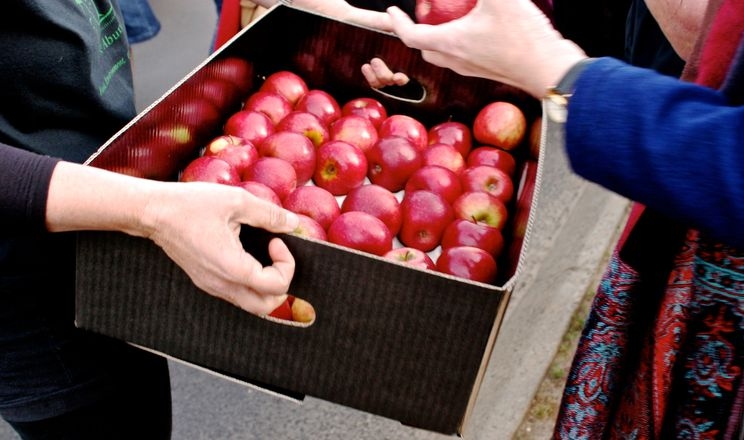
Ukrainian apple growers harvested a larger crop in 2026 than a year earlier, but the export season started slowly due to labour shortages, high logistics costs and challenging transportation conditions. Despite sufficient overall apple supplies on the domestic market, the availability of export-oriented varieties remains relatively limited. Growers are also facing additional pressure from electricity disruptions, high financing costs and persistent security risks. This was reported by FreshPlaza, citing international trade expert Volodymyr Gurzhiy.
An acute labour shortage remains one of the industry’s biggest challenges. According to Gurzhiy, only three Ukrainian growers were able to organise apple harvesting, sorting and packing simultaneously at the beginning of the season. Other producers had to carry out these operations sequentially, delaying shipments to international markets. To attract sufficient workers, some companies are already offering wages comparable to those paid by Polish orchard operators, further increasing production costs.
Meanwhile, Ukrainian apple exports remain heavily concentrated on the Royal Gala variety, which is among the first to reach the market. According to Gurzhiy’s estimate, Royal Gala currently accounts for approximately 90% of Ukraine’s total apple export shipments. Despite the larger overall harvest, supplies of varieties meeting international buyers’ requirements remain limited. This restricts opportunities to expand exports even when domestic apple availability is sufficient.
Saudi Arabia and the United Arab Emirates remain the main destinations for Ukrainian apple exports. However, shipping disruptions around the Strait of Hormuz are complicating access to Gulf markets, particularly Qatar, Bahrain, Kuwait and the UAE. Some shipments are delivered to Saudi Arabia and subsequently transported by road to neighbouring countries, while apples destined directly for the UAE are now mostly shipped by truck from Ukraine. Exporters also use foreign ports for maritime shipments, particularly Constanța in Romania and Rijeka in Croatia, where apples are transferred into shipping containers for onward transportation.
High transportation costs significantly weaken the competitiveness of Ukrainian producers compared with suppliers from Serbia, Poland and Moldova. According to Gurzhiy, even when selling prices in Middle Eastern markets are relatively high, the actual returns received by growers remain low after deducting logistics, packaging and financing expenses. As a result, a larger harvest does not necessarily translate into higher export profitability, while the combination of labour shortages, transportation difficulties and security risks forces Ukrainian growers to operate under continuously rising costs.
Read also
Malaysian palm oil prices fall amid high stocks and weak demand
US beef trimmings imports rise 22% despite weak demand
Brazil expands corn production but channels more grain into domestic market
EU may increase sugar imports by 48% amid declining domestic production
Moldova could exhaust exportable barley supplies as early as November




Got additional questions?
We will be happy to assist!
Write to us
Our manager will contact you soon