

Brazil expands corn production but channels more grain into domestic market
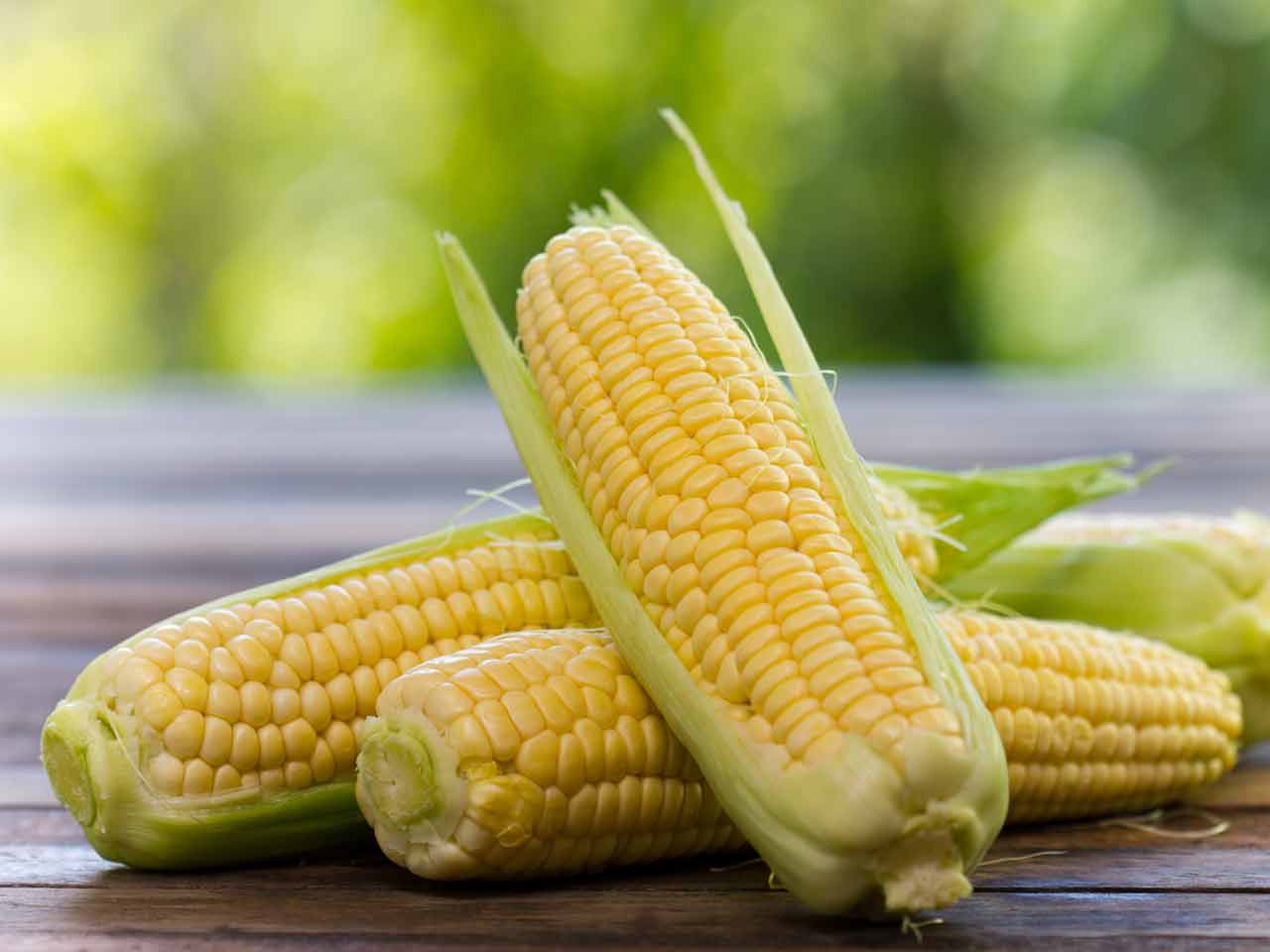
Brazil continues to increase corn production, but rapidly growing domestic consumption, particularly in the bioethanol industry, is gradually limiting the country’s ability to expand exports. According to the state crop agency Conab, Brazil’s corn harvest could reach a record 148 mln tons in the 2026/27 marketing year, up 2.4% year-on-year. However, production of the second corn crop, which accounts for most of the country’s exportable supplies, is expected to increase by just 0.4%.
The rapid development of Brazil’s corn sector has been driven by the expansion of the second-crop farming system, known as safrinha, in which corn is planted after the soybean harvest. In the early 2000s, second-crop corn accounted for only 15% of total production, while its share reached a record 80% in the 2024/25 season. However, further expansion of this system is slowing. In 2021/22, farmers planted 39 hectares of second-crop corn for every 100 hectares of soybeans, but the ratio has stabilized at approximately 37 hectares in recent years. This indicates that opportunities for rapid production growth through the expansion of double-cropping are gradually becoming more limited.
Meanwhile, increasing volumes of Brazilian corn are being used for bioethanol production. According to USDA data, corn consumption by the industry surged from less than 1 mln tons in 2017 to 21.4 mln tons in 2025. Mato Grosso remains the country’s largest processing hub, accounting for 63% of all corn used for bioethanol production last year. The expansion of processing capacity is supported by abundant feedstock supplies and the opportunity to produce valuable byproducts, including animal feed ingredients and corn oil. This creates sustained domestic demand for grain that might otherwise be available for export.
According to Conab projections, Brazil’s domestic corn consumption is expected to increase by approximately 15% in 2026/27 compared with two years earlier, while exports are projected to grow by just 3% over the same period. As a result, even with record production, the share of corn available for international shipments may remain limited. This intensifies competition between exporters and domestic processors while creating additional opportunities for other suppliers in the global market. According to USDA estimates, Brazil and Argentina together are expected to account for nearly 40% of global corn exports in 2026/27, approximately matching the share held by the United States.
Further growth in Brazilian corn production will largely depend on yield improvements and weather conditions. Soybean planting has so far progressed without major disruptions, but delays in harvesting could push second-crop corn planting beyond the optimal window, increasing the risks of drought and frost damage. The El Niño weather phenomenon adds further uncertainty. Under these conditions, rising domestic corn demand and limited opportunities for expanding double-cropping could constrain Brazil’s export potential, allowing the United States to maintain its leading position in global corn trade.
Read also
Malaysian palm oil prices fall amid high stocks and weak demand
US beef trimmings imports rise 22% despite weak demand
Labour shortages and high logistics costs constrain Ukrainian apple exports
EU may increase sugar imports by 48% amid declining domestic production
Moldova could exhaust exportable barley supplies as early as November




Got additional questions?
We will be happy to assist!
Write to us
Our manager will contact you soon