

Europe looks to local agricultural waste to reduce reliance on imported SAF feedstocks
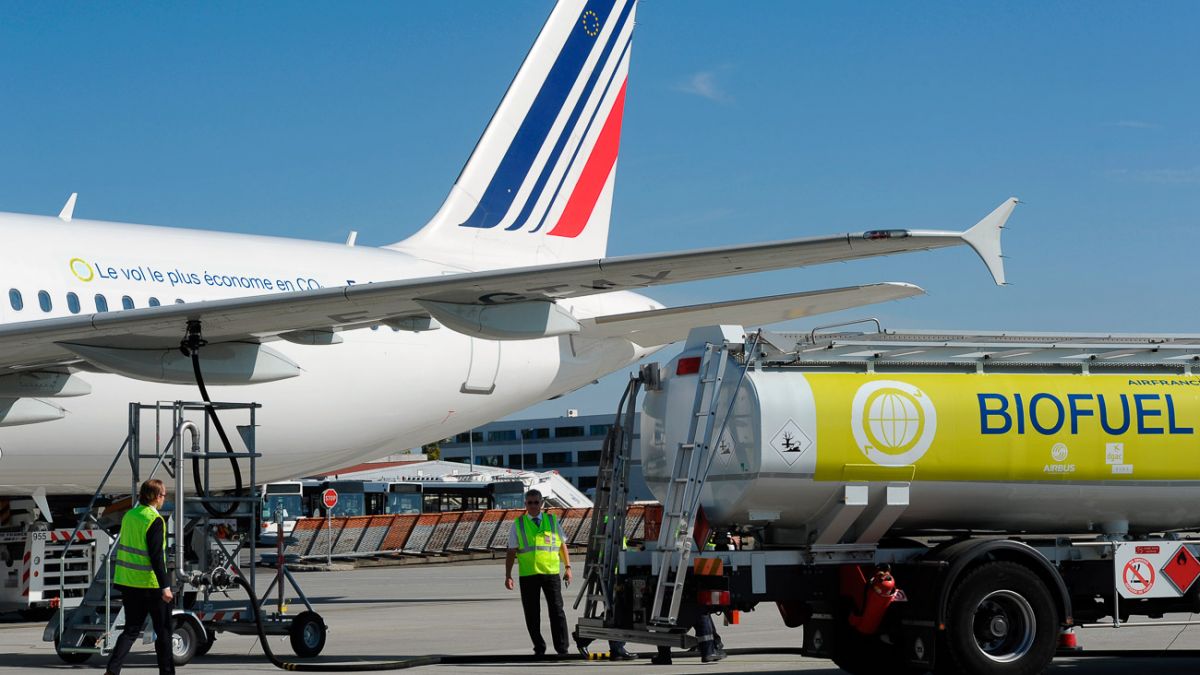
NorSAF and Nova Pangaea have agreed to cooperate in Latvia on producing feedstock for sustainable aviation fuel (SAF) from locally sourced agricultural and forestry residues. The project is aimed at reducing Europe’s dependence on imported SAF feedstocks.
Around 85% of feedstocks used for SAF production in Europe are currently imported, with China accounting for about 61% of supplies. A large share of European production capacity relies on HEFA technology, which requires significant volumes of feedstocks such as used cooking oil.
The Latvian project plans to use agricultural and forestry residues available in the region. Nova Pangaea’s technology converts waste biomass into ethanol and biochar, with the ethanol then suitable for SAF production through the alcohol-to-jet pathway.
Demand for SAF in the EU is set to increase rapidly under ReFuelEU Aviation requirements. The share of SAF in fuel supplied at EU airports is set to rise from 2% in 2025 to 6% in 2030 and 20% in 2035, increasing the need for a stable and diversified feedstock base.
NorSAF expects the use of local waste resources to create a more resilient SAF supply chain in the Baltic region and reduce dependence on imported used cooking oil. According to IATA estimates cited by the companies, Europe has sufficient biomass waste resources to support SAF production in line with its long-term targets through 2050.
Read also
Sudan risks grain deficit of up to 3.56 mln tons in MY 2026/27
Hope emerges for resumption of VAT refunds to exporters in Ukraine
Sheep grazing at solar farms increases beneficial insect populations by 38%
Cameroon aims to boost corn production to 6 mln tons by 2030
Black Sea war enters a new phase of escalation, threatening global grain supplies




Got additional questions?
We will be happy to assist!
Write to us
Our manager will contact you soon