

Tunisia’s olive crop could fall by up to 50%, but prices will depend on Spain
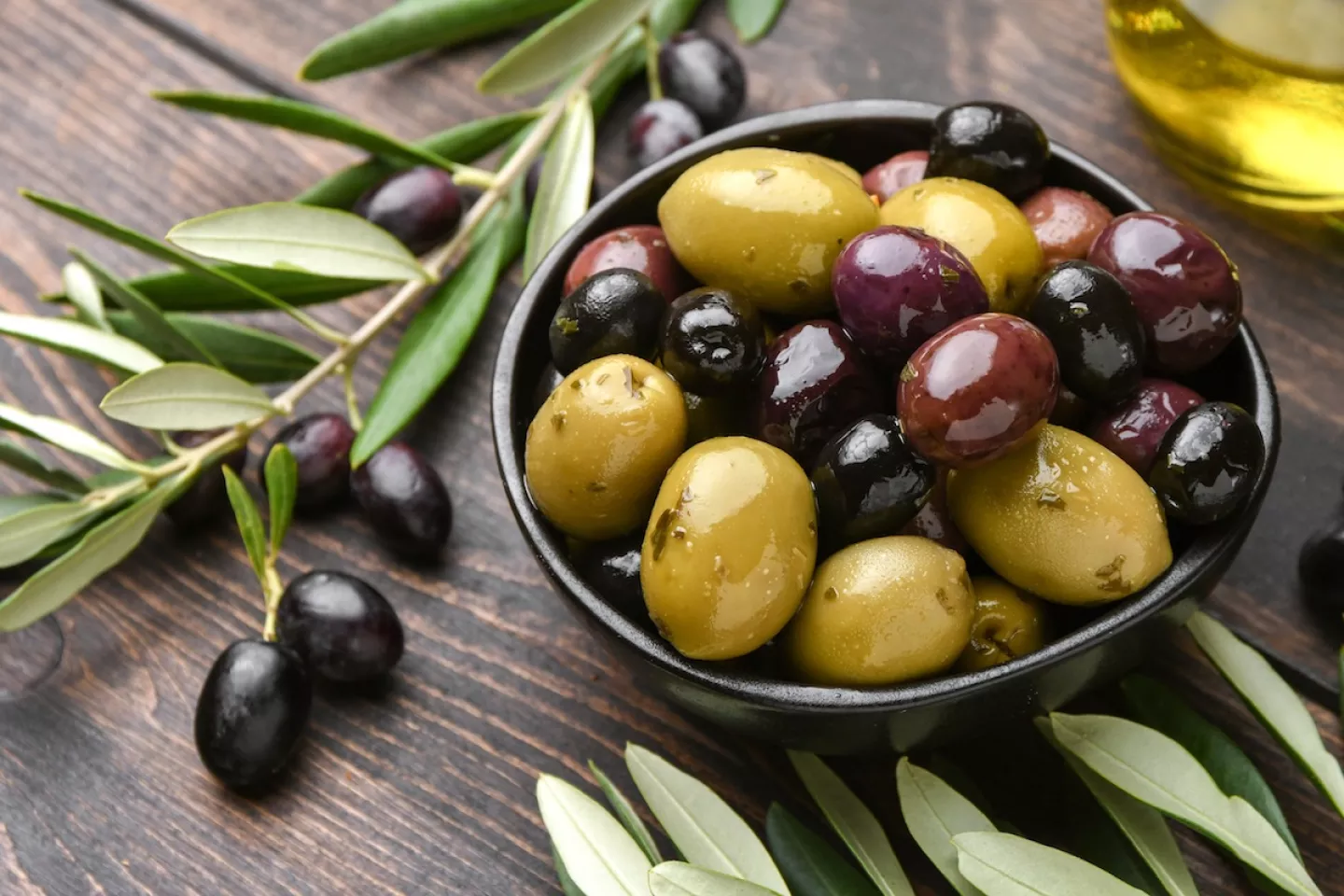
Olive production in some regions of Tunisia could decline by as much as 50% this season. The country’s Farmers Union warns that this may reduce supply and export potential, although a smaller domestic crop alone does not guarantee higher olive oil prices.
The key factor for prices will remain the global market situation, particularly the harvest in Spain. If major producers maintain sufficient supply, this could offset Tunisia’s lower crop and limit upward pressure on prices.
Industry representatives note that Tunisian olive oil prices largely depend on the global supply-demand balance. Therefore, it is still too early to assess the prospects for higher prices based solely on Tunisia’s domestic harvest.
Another risk to production is olive knot, a bacterial disease recently reported in some areas. It can spread through tools used during pruning and harvesting, prompting calls for stronger preventive measures among growers.
Producers are also being urged to follow optimal harvesting schedules and maintain proper tree care. Further market trends will depend on the actual crop in Tunisia as well as production in Spain and other key supplying countries.
Read also
Australia’s winter crop output to fall 8%, while canola hits record high
Wheat prices in Paris rose on Monday amid an Algerian tender and risks in the Blac...
EU moves closer to approving vaccine against lumpy skin disease in cattle
Ukrainian corn prices under pressure from the harvest campaign
Major economies approach their largest budget deficits since the COVID-19 pandemic




Got additional questions?
We will be happy to assist!
Write to us
Our manager will contact you soon