

Spring planting in Russia starts at worst pace in many years
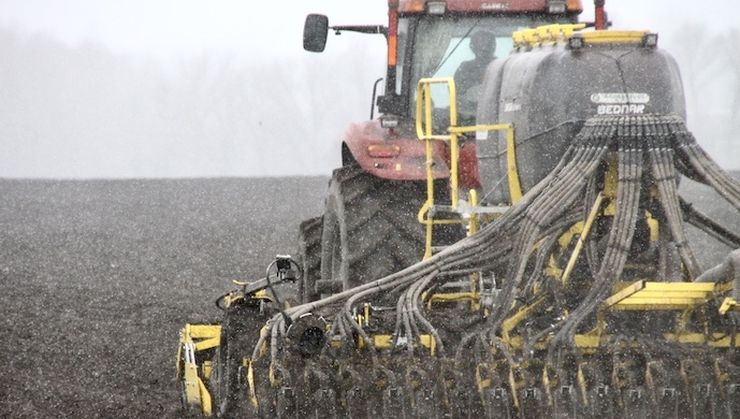
Heavy rains and unusually cold weather have led to one of the weakest starts to the spring planting campaign in Russia in years, raising concerns over potential impacts on wheat output and exports from the world’s largest grain exporter.
According to preliminary estimates, farmers have significantly fallen behind the usual planting schedule, particularly in southern regions where spring wheat sowing is most active. The adverse weather conditions have slowed fieldwork across multiple grain-producing areas.
Analysts warn that the area sown with spring wheat in the 2026–2027 season could decline by around 5% to 10.5 million hectares, marking the lowest level in two decades. Many farmers are also shifting toward more profitable oilseed crops, further reducing wheat acreage.
As of recent estimates, only about 1.3 million hectares of spring wheat have been planted in key regions, less than half the level recorded during the same period last year. The delay is considered significant for overall crop development and yield potential.
Spring wheat accounts for nearly one-third of Russia’s total wheat production, making timely sowing critical for harvest outcomes. While some forecasts still expect total wheat output to reach around 89.7 million tons, export volumes may decline to approximately 45.2 million tons, down about 4.6% year-on-year.
Meteorologists note that temperatures in western Russia have been 3–7°C below normal, while persistent rainfall in May has further complicated field operations and delayed both spring planting and winter crop harvesting.
Experts say the coming weeks will be decisive, as any further weather disruptions could deepen planting delays and increase risks for both domestic supply and global wheat markets.
For almost 30 years of expertise in the agri markets, UkrAgroConsult has accumulated an extensive database, which became the basis of the platform AgriSupp.
It is a multi-functional online platform with market intelligence for grains and oilseeds that enables to get access to daily operational information on the Black Sea & Danube markets, analytical reports, historical data.
You are welcome to get a 7-day free demo access!!!
Read also
Coming Up in UkrAgroConsult Reports: Key Market Signals
Südzucker expects sugar prices to recover as EU supply tightens
Delays in edible oil shipments could force Ukrainian oilseed crushing plants to sh...
Ukraine resumes sunseed exports to Bulgaria after September pause
Black Sea grain surplus could trigger a collapse in global prices once ports reopen




Got additional questions?
We will be happy to assist!
Write to us
Our manager will contact you soon