

Soybean cultivation in Europe shifts north due to drought
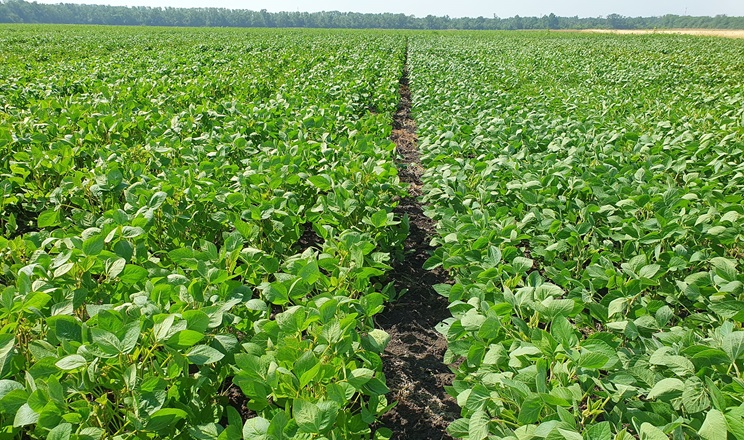
Soybean production in Europe is gradually shifting from southern regions to areas with cooler climates due to increasingly severe drought and irrigation challenges. Soybean acreage is expanding most actively in Poland, northern France and Germany, while cultivation is declining in southern Europe. This was reported by Seed World Europe, citing Benjamin Laga, CEO of Belgian plant breeding company Protealis. According to him, these opposing regional trends mean that total soybean acreage in the EU has remained relatively stable.
Changing climatic conditions are creating additional challenges for the European Union, which remains heavily dependent on imported soybeans. More than 90% of EU soybean consumption is currently supplied through imports. Meanwhile, expanding domestic soybean production is seen as one way to strengthen the region’s protein self-sufficiency and reduce reliance on nitrogen fertilizers. Thanks to its ability to fix atmospheric nitrogen, soybean could play an important role in improving the resilience of European agriculture to climatic and economic risks.
Despite progress in breeding early-maturing and cold-tolerant varieties, soybean expansion in northern regions continues to face several economic and agronomic constraints. In particular, farmers are reluctant to increase acreage without reliable sales channels, while processors are hesitant to invest in facilities without sufficient local supplies of raw materials. As a result, the development of new value chains, from cultivation to processing, is progressing more slowly than improvements in the crop’s production potential.
Another important factor is ensuring effective nitrogen fixation. Soybeans depend on a symbiotic relationship with Bradyrhizobium bacteria, which must be introduced through seed inoculation because they are not naturally widespread in European soils. Improper inoculation can impair plant development and reduce yields, particularly among farmers who are new to soybean cultivation. To address this challenge, Protealis developed the MagNfix inoculant based on a Bradyrhizobium japonicum strain adapted to cooler conditions. The technology allows seeds to be treated in advance while maintaining bacterial viability during extended storage.
According to Protealis, three years of trials in Belgium, France and Germany showed that inoculated seeds can maintain effective nitrogen fixation even after 90 days of storage. However, these findings are based on trials conducted by the company and its research partners. Experts emphasize that further expansion of soybean production in Europe will depend not only on new varieties and technologies but also on the development of processing capacity, marketing infrastructure and crop rotations adapted to regional climatic conditions. With drought becoming more severe in southern countries, northern regions could become the main areas for further growth in European soybean production.
Read also
Ukraine to compensate shipowners for up to 80% of losses from Russian attacks
Global beef production to decline by more than 3% for the first time in five years
Indonesia launches new palm oil export monitoring system
Kenya’s corn production to fall 39% due to severe drought
Suez Canal introduces mandatory inspections for vessels aged 25 years and older




Got additional questions?
We will be happy to assist!
Write to us
Our manager will contact you soon