

Black Sea vessel insurance costs reach record 20% amid fresh attacks
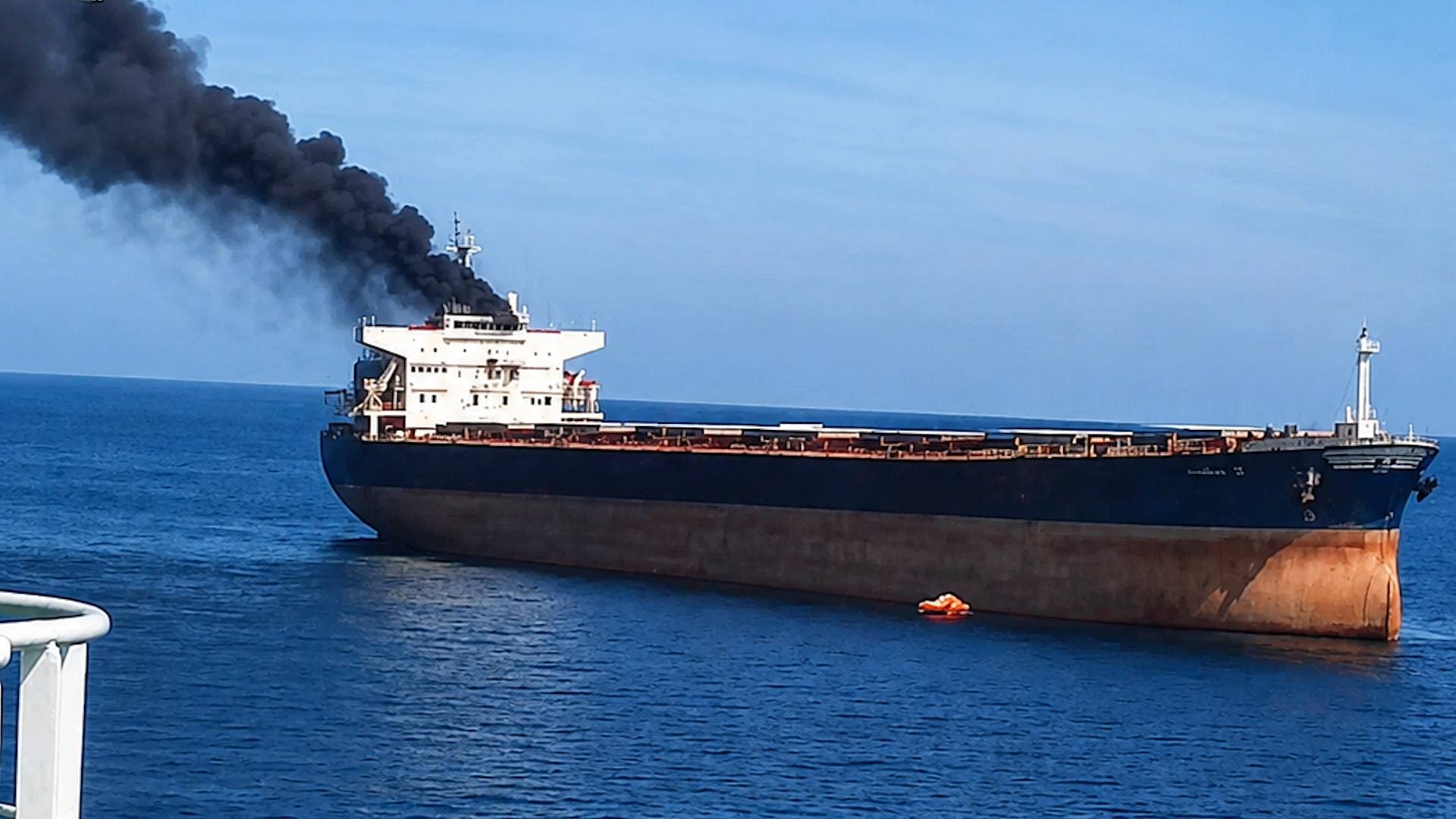
War risks in the Black Sea have led to a sharp increase in insurance costs for merchant vessels. According to insurance market sources, war-risk premiums for some of the most exposed voyages have reached 20% of a vessel’s value, exceeding even the peak levels recorded during the Iran-Iraq tanker war in the 1980s. As reported by Splash247, rising insurance costs come amid fresh reports of attacks on commercial shipping and increased military activity near the coasts of Ukraine, Romania and Bulgaria.
According to specialist publication The Insurer, war-risk premiums of 20% of vessel value have been quoted for some ships calling at the Caspian Pipeline Consortium terminal in Novorossiysk. However, most insurance quotations remain substantially below this level. For comparison, during the tanker war of the 1980s, insurance rates reached 7.5% of vessel value and occasionally exceeded 10%. The current peak premiums reflect an exceptionally high assessment of risks facing shipowners continuing to operate in the Black Sea region.
Reports of fresh attacks on merchant vessels on November 7–8 have added further pressure to the insurance market. The Russian Ministry of Defence claimed strikes against dry bulk carriers and containerships near Odesa and Chornomorsk, but these reports have not been independently verified. The vessels have not been identified, there are no confirmed casualty figures, and it remains unclear whether all the statements refer to separate ships. Meanwhile, Bulgarian authorities continue investigating the October attack on the chemical tanker Wine Trader, which was brought to Varna after being damaged off the Romanian coast.
Amid growing threats to shipping, international carriers are also introducing additional charges. From November 9, French container shipping company CMA CGM is imposing a war-risk surcharge of $35 per TEU on shipments to and from Black Sea countries. The new charge applies, among others, to cargo moving through the ports of Constanta, Varna, Burgas and Poti. As a result, additional costs associated with maritime security are increasingly being passed on to shippers and importers.
Read also
Falling Canadian canola prices increase pressure on China’s rapeseed oil and...
France considers strategic grain reserves amid global instability
Crude palm oil prices fall 3.5% amid record inventories in Malaysia
Global sugar prices rise 6.6% while meat and dairy prices decline
China’s new-crop grain purchases exceed 100 mln tons




Got additional questions?
We will be happy to assist!
Write to us
Our manager will contact you soon