

Sheep grazing at solar farms increases beneficial insect populations by 38%
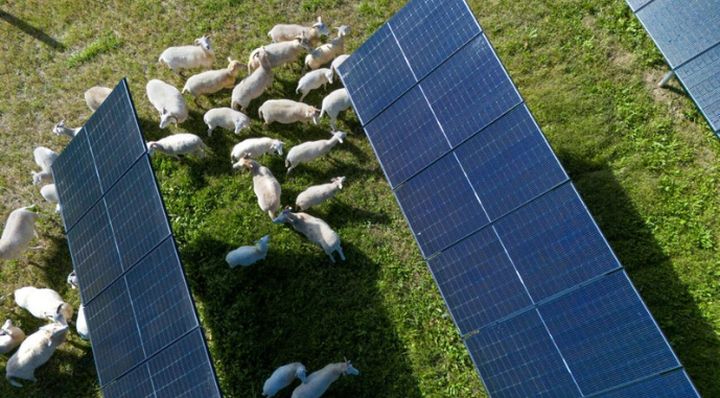
Researchers at Cornell University in the United States have found that grazing two sheep per hectare at solar farms increases beneficial insect populations by 38% compared with areas where vegetation is managed through mowing. A second study focused on developing a digital tool to help farmers plan grazing and assess its economic benefits. This was reported by Phys.org.
Over three years, researchers examined how different grazing densities affected vegetation and insect populations at the Cascadilla Community Solar Farm in New York State. According to the study published in Environmental Research Letters, grazing two sheep per hectare resulted in 38% higher numbers of wild bees, honeybees, and ladybugs compared with mowed areas. Honeybee numbers were 83% higher.
At a stocking density of four sheep per hectare, beneficial insect populations were roughly comparable to those in mowed areas, while vegetation control was more effective. Grazing eight sheep per hectare provided the most effective vegetation management, and the animals remained in good condition. However, honeybee numbers declined by 45%. The findings highlight the need to balance vegetation management with biodiversity conservation.
The second study involved developing a digital model for managing sheep flocks at solar farms. The tool helps farmers determine the optimal flock size, calculate animal acquisition costs, and forecast revenue based on expected vegetation levels. Solar farm operators can also use the model to better account for farmers’ needs and negotiate more economically viable long-term contracts. United Agrivoltaics is already using the tool when engaging farms in partnerships.
Researchers believe that sheep grazing at solar farms could create additional opportunities for the US sheep industry, where domestic lamb and wool production falls short of demand. Around half of the lamb and mutton consumed in the country is imported, primarily from New Zealand and Australia. These contracts provide farmers with additional income for vegetation management while giving sheep access to forage. According to sheep farmer and consultant Nicola Kockendorfer, some farms are already using the revenue to build facilities, purchase equipment, and hire workers.
Read also
Animal fats could replace part of palm oil demand in the European market
Jordan makes no wheat purchase in 120 thsd ton tender
EU prepares to ease rules on agricultural drone spraying
Turkey continues talks on restoring grain shipments in the Black Sea
Rapeseed prices in Ukraine rise despite falling exports and processing shutdowns




Got additional questions?
We will be happy to assist!
Write to us
Our manager will contact you soon