

Russian grain interventions to cover only up to 20% of export shortfall
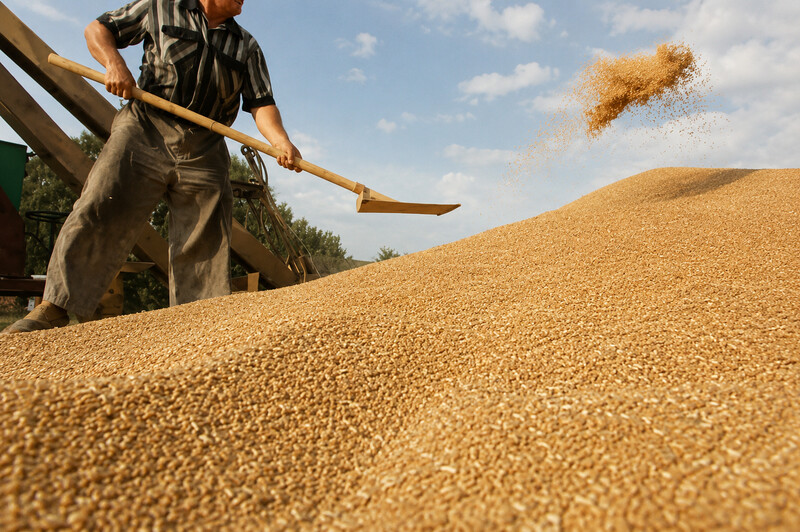
Russia plans to purchase up to 3 mln tons of grain at fixed prices under its 2026–2027 state intervention program. At the same time, ProZerno estimates the export shortfall at 14–20 mln tons, meaning the intervention program would cover only around 15–20% of that volume.
Market participants say that even full implementation of the program would not solve the problem of excess supply. With exports through the Azov-Black Sea basin constrained, significant grain volumes remain on the domestic market, increasing pressure on producer prices.
The scale of the current intervention program is significantly smaller than during previous crisis periods. In 2014–2015, the state purchased around 12 mln tons of grain, while in 2020–2021 the volume was about 8 mln tons. The current 3 mln ton limit is only one-quarter of the 2014–2015 level.
Purchasing 3 mln tons at RUB 8,620/t (around $101/t) would cost approximately RUB 25.9 bln ($304 mln), while at an estimated production cost of RUB 11,000/t ($129/t) the total would be around RUB 33 bln ($388 mln). This represents only about 2.2–2.8% of the Russian Agriculture Ministry’s 2026 agricultural budget.
The main issue therefore appears to be not the availability of budget funding but the limited scale of the program itself. With the export shortfall potentially reaching 20 mln tons, interventions may only partially ease pressure on the domestic market and will not eliminate the grain surplus.
Read also
Global palm oil demand rises amid tighter soybean and sunflower oil supplies
Ukraine’s flour exports fall 41% amid maritime logistics disruptions
Middle East faces animal feed shortages amid supply disruptions
Trilateral talks begin in Abu Dhabi, with grain exports from Ukraine and Russia al...
Global agricultural support reaches record $950 bln




Got additional questions?
We will be happy to assist!
Write to us
Our manager will contact you soon