

World learns to bypass Hormuz, but farmers are still paying for the crisis
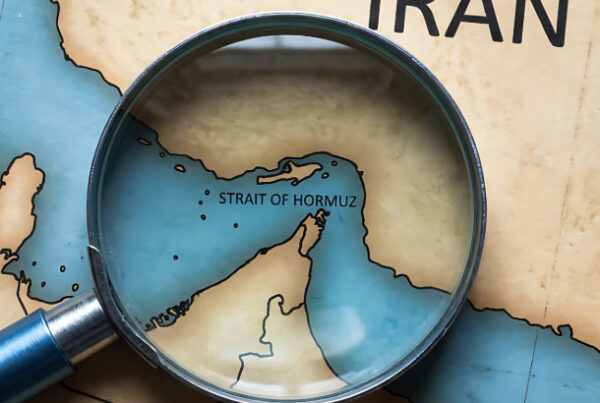
Gulf countries have largely restored crude oil exports after shipments plunged because of the Strait of Hormuz crisis, but the rerouting of flows has not returned the energy market to normal. More expensive transport, tight diesel supplies and disruptions to fertilizer trade continue to raise costs for the agricultural sector across different regions.
According to Kpler, crude oil exports from Middle Eastern countries excluding Iran reached 19.5–22.5 mln barrels per day on several days in late September, exceeding the pre-war level of around 18 mln barrels per day. Flows recovered largely due to alternative routes: around 40% of the region’s crude oil exports now bypass the Strait of Hormuz, compared with roughly 17% before the conflict. Saudi Arabia has sharply increased flows through its East-West pipeline to the Red Sea port of Yanbu, while the UAE is making greater use of the Abu Dhabi-Fujairah pipeline outside the strait.
However, the recovery in crude oil exports has not solved the problem in refined products. Supplies of diesel and other fuels remain well below pre-war levels because of refinery damage and logistics constraints. As a result, global diesel prices remain elevated, directly increasing farmers’ costs for fieldwork and transportation. Analysts expect diesel supply tightness could persist into 2027.
The Hormuz crisis has had an even stronger impact on the fertilizer market. Before the war, around 39 mln tons of fertilizers and fertilizer feedstocks passed through the strait annually, including 19.2 mln tons of urea. Gulf countries accounted for around 43% of global urea exports. Following the disruption of logistics, fertilizer prices rose sharply, while grain prices increased much less, worsening the ratio between farmers’ revenues and input costs.
The global energy market is therefore gradually adapting to restrictions in the Strait of Hormuz, but at the cost of more expensive and complicated logistics. For agriculture, the consequences may prove more persistent than for the crude oil market, as high diesel, freight and fertilizer costs could continue to pressure production margins and crop yields even after oil flows partially recover.
Read also
French agribusiness group Malteurop acquires malting plant in China
Palm oil price declines on profit-taking after weekly gains
Argentina’s sunflower planting area to remain unchanged from last season — BAGE
Heavy rains threaten Australia’s chickpea crop and delay harvest
USDA acknowledges error in September US corn crop forecast




Got additional questions?
We will be happy to assist!
Write to us
Our manager will contact you soon