

Pakistan’s wheat cultivation shrinks 6.5%, raising food security concerns, says UN agency
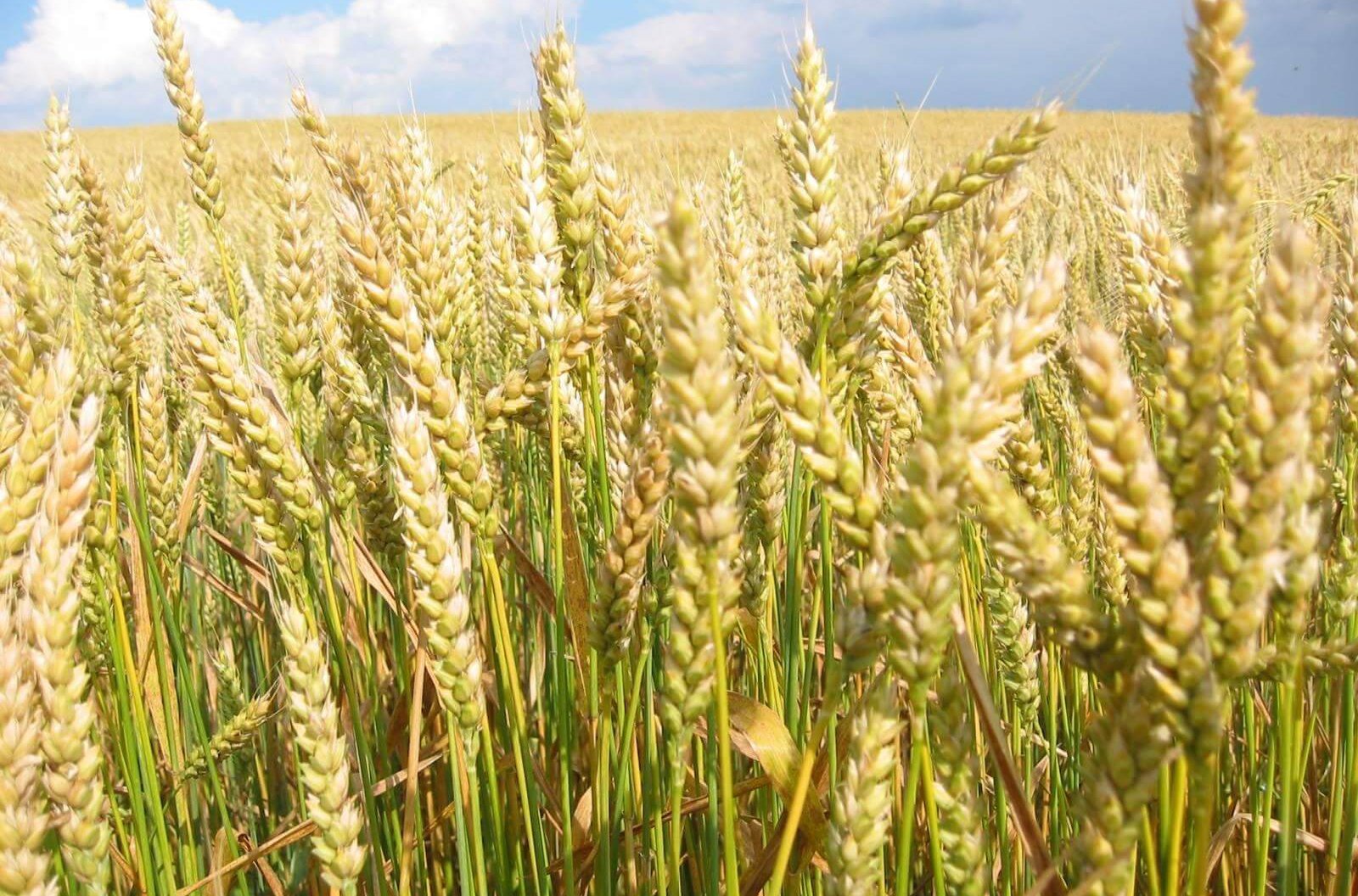
Pakistan’s wheat planting area has fallen by 6.5% in 2025 compared to last year, even as total production is estimated at 29 million tonnes, about 5% above the five-year average, the Food and Agriculture Organisation (FAO) of the United Nations said.
Yields in irrigated regions remain above average, but crop losses occurred in rain-fed areas, which account for roughly 20% of total wheat plantings, and in some irrigated areas in northern Pakistan due to irrigation water shortages.
During the 2024-25 marketing year, wheat imports fell significantly below the five-year average following an import ban in July 2024. The government also continues to ban exports of wheat flour, including refined flour, semolina, and products made from imported wheat.
Rice exports, Pakistan’s main cereal export, are preliminarily forecast at 5.5 million tonnes for 2025, while maize exports for the 2025-26 marketing year are expected at around 500,000 tonnes.
The MSP removal formed part of economic reforms required by the International Monetary Fund (IMF) for a $7 billion bailout approved in 2024.
For almost 30 years of expertise in the agri markets, UkrAgroConsult has accumulated an extensive database, which became the basis of the platform AgriSupp.
It is a multi-functional online platform with market intelligence for grains and oilseeds that enables to get access to daily operational information on the Black Sea & Danube markets, analytical reports, historical data.
You are welcome to get a 7-day free demo access!!!
Read also
UK’s largest port handles over 1 mln tons of grains and oilseeds for Bunge
All major US fertilizer prices rise above year-ago levels
Ukraine’s biogas potential could reach 11.6 bcm of gas equivalent annually
Europe enters new potato season with a smaller crop and higher costs
Argentina strengthens position in India’s vegetable oil market




Got additional questions?
We will be happy to assist!
Write to us
Our manager will contact you soon