

Oman may start charging fees for passage through the Strait of Hormuz in the future
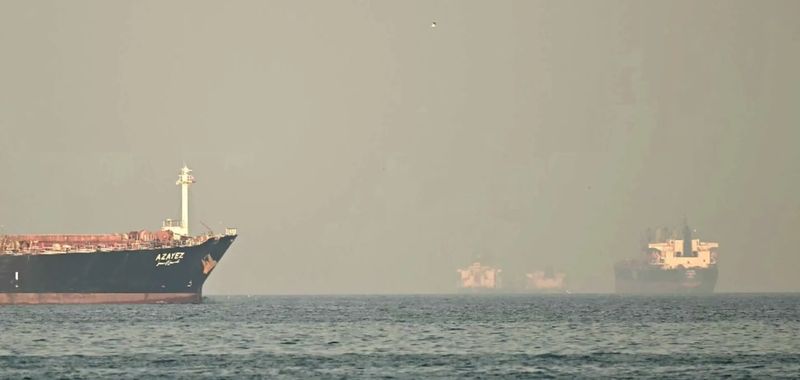
Oman has told European officials that a return to the pre-war regime of the Strait of Hormuz is unlikely, and that it may introduce certain fees for transiting vessels in the future, Bloomberg reports.
According to the agency, Omani representatives said that they would comply with international maritime law, but could charge for certain services, including cleaning the water area from pollution or navigational support for ships.
At the same time, it is currently unclear whether such payments will be mandatory.
The possibility of new fees has caused concern in the United States, European countries and Arab states of the Persian Gulf. They fear that Oman and Iran could jointly introduce mechanisms for controlling or charging for passage through the Strait of Hormuz.
French President Emmanuel Macron is expected to discuss the issue with Omani Sultan Haitham bin Tariq during a meeting in Paris. According to the Elysee Palace, the parties will focus on ensuring free and unconditional passage through the strait.
At the same time, a senior US official said that Iran had assured Washington that it had no plans to collect duties, insurance fees or other charges from ships passing through the waterway.
The Strait of Hormuz is one of the world’s most important routes for transporting oil and liquefied natural gas. After the escalation of the conflict between the US, Israel and Iran, shipping in the region has been exposed to significant risks, and Tehran insists on joint management of vessel traffic with Oman.
According to the interlocutors, the introduction of any mandatory payments could cost shipping companies and traders tens of billions of dollars each year. The US, Great Britain, France, Saudi Arabia and the United Arab Emirates have already warned that such steps could contradict international maritime law.
Despite a joint statement signed this week by Oman and Iran to discuss the management of the strait and the associated costs, Muscat later also supported a declaration by the United States and the Gulf Cooperation Council that rejects any fees or attempts to establish control over the passage through the Strait of Hormuz.
After reaching interim agreements between Washington and Tehran, oil shipments through the strait began to recover and global oil prices fell. At the same time, shipping remains below pre-war levels and risks to ships persist. In particular, the container ship Ever Lovely was damaged in the strait at the end of the week.
For almost 30 years of expertise in the agri markets, UkrAgroConsult has accumulated an extensive database, which became the basis of the platform AgriSupp.
It is a multi-functional online platform with market intelligence for grains and oilseeds that enables to get access to daily operational information on the Black Sea & Danube markets, analytical reports, historical data.
You are welcome to get a 7-day free demo access!!!
Read also
EU risks becoming dependent on China amid aviation fuel feedstock shortages
Ukraine to compensate shipowners for up to 80% of losses from Russian attacks
Soybean cultivation in Europe shifts north due to drought
Global beef production to decline by more than 3% for the first time in five years
Indonesia launches new palm oil export monitoring system




Got additional questions?
We will be happy to assist!
Write to us
Our manager will contact you soon