

Netherlands reject soy meal cargoes from Argentina over GM issue
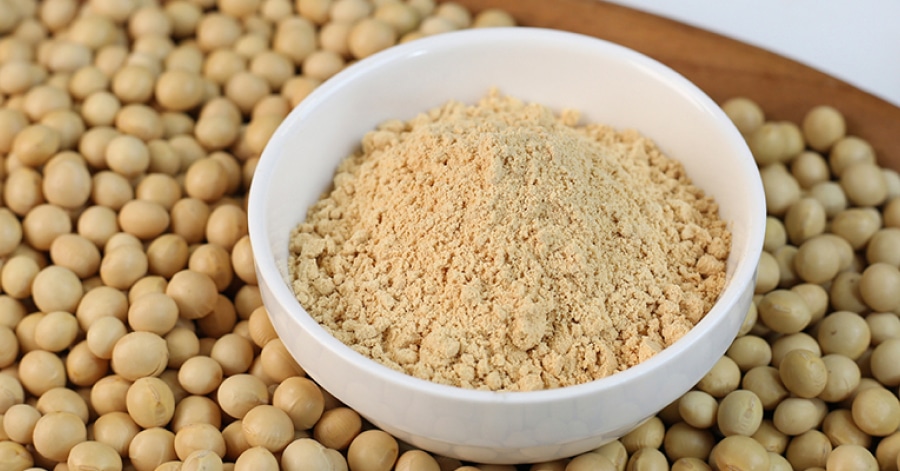
Netherlands has rejected at least two shipments of Argentine soybean meal this month after the detection of non-approved genetically modified (GM) material, raising concerns over potential disruptions to global feed trade flows.
According to the European Commission, the rejected cargoes were flagged on April 14 and 17 due to the presence of unauthorized GM traits. Argentina, the world’s leading exporter of soybean meal, now faces increased scrutiny that could affect its access to key European markets.
The Netherlands plays a central role as an entry hub for feed imports into the European Union, meaning disruptions at this point in the supply chain can quickly spread across the region. Analysts warn that stricter controls on Argentine shipments could reduce EU demand and shift purchases toward alternative suppliers, including the United States.
Chicago soybean meal futures reacted sharply to the news, rising as much as 3.2% as traders priced in potential changes in global trade flows. Market participants noted strong buying interest, with gains also influencing broader soybean complex pricing.
The EU imports around 20 million tonnes of soybean meal annually, with South America—mainly Argentina and Brazil—supplying most of the volumes. Analysts caution that prolonged regulatory tensions could gradually reshape global trade patterns, especially given the EU’s strict standards for feed and food safety.




Got additional questions?
We will be happy to assist!
Write to us
Our manager will contact you soon