

Farmers in Uganda urged to shift from sugarcane to palm oil production
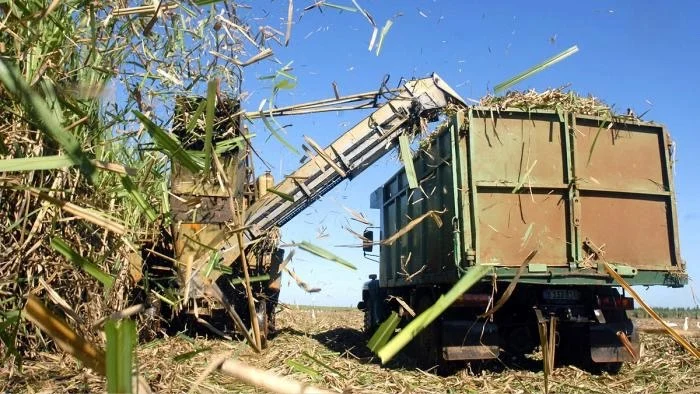
The Ministry of Agriculture, Animal Industry and Fisheries in Uganda has launched a sensitisation campaign encouraging farmers to shift from sugarcane cultivation to oil palm farming. The initiative is part of the government’s 10-year National Oil Palm Project, supported by the International Fund for Agricultural Development.
The project aims to expand oil palm production across several regions of the country, with officials highlighting suitable growing conditions and strong agricultural potential. It is being implemented through cooperation between the government and development partners, with funding and technical support from international institutions.
According to ministry officials, the programme targets smallholder farmers with up to five acres of land. Participants will receive free seedlings and fertilisers, along with access to credit facilities. Authorities also stated that soil testing has been carried out and confirmed the crop’s environmental compatibility, while some early plantations are already approaching their first harvest.
Local officials argue that sugarcane farming has contributed to poverty in certain areas, as land is often leased at low rates or fully dedicated to a single crop, limiting food production. They believe that switching to oil palm could improve incomes and promote more diversified agricultural practices.
However, farmers have raised concerns about delays in seedling delivery, inconsistent supply of inputs, and uncertainty over guaranteed markets. They are calling for stronger government support, timely distribution systems, and protection from intermediaries to ensure the project delivers sustainable benefits.
Read also
Ukrainian farmers may halve corn planting area in 2027 in favor of oilseeds
Black Sea war risks support European wheat prices after sharp decline
Brazil plans to increase soybean crushing to 66 mln tons in 2027
Even an elevenfold increase in Baltic port shipments fails to offset Russia’...
Kazakhstan to ban sunseed imports from Russia




Got additional questions?
We will be happy to assist!
Write to us
Our manager will contact you soon