

Morocco’s Rainfall Is at a Record Low
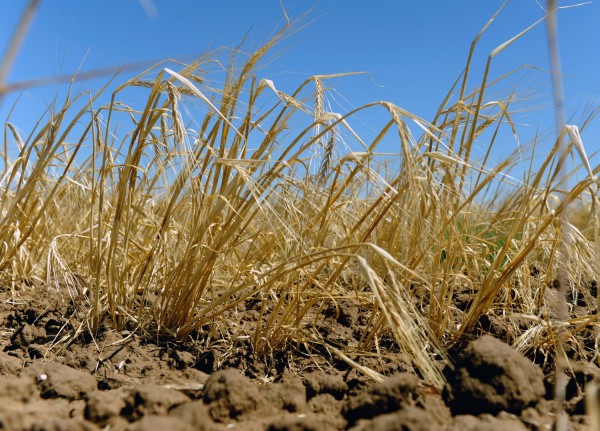
Morocco is facing the worst drought recorded over the past 30 years, threatening the year’s grains yield this year.
As cities ration water in Morocco, the record low rainfall in cultivating season will likely result in small harvests, deepening the country’s reliance on grain imports at a time when food prices are soaring worldwide on the backdrop of the global supply chain disruptions, according to Bloomberg.
With March and April the two most critical months for rainfall, there is still hope the trend may reverse. However, short-term weather forecasts are not looking up, explains the Bloomberg report.
Morocco’s reliance on rainfall makes it especially vulnerable to adverse weather. As wheat is a staple to the North African region, Morocco is part of the world’s second-largest wheat importing region, says Bloomberg.
As drought threatens to grip the North Africa region, global wheat demands will likely bolster in the coming year, pushing global prices even higher amid tight supplies, increasing government spending, and widening trade deficit for all North African countries including Morocco, reckons the report.
Offset by climate change, Morocco faces on average severe drought every two to three years, up from one every in every 10 years in the 1990s, indicates the report.
Morocco’s agriculture minister, Mohammed Sadiki, has already expressed concerns regarding the drought, predicting that this year will potentially mark the worst harvest output in decades. The minister’s comments echoe that of the US Department of Agriculture, which according to Bloomberg had called the drought “exceptional.”
Moroccan authorities in several regions, including Marrakech and Oujda in northeastern Morocco, had already announced plans to ration water in full winter, reflecting the scale of the water scarcity issue.




Got additional questions?
We will be happy to assist!
Write to us
Our manager will contact you soon