

Morocco’s push for domestic wheat faces quality issues and harvest delays
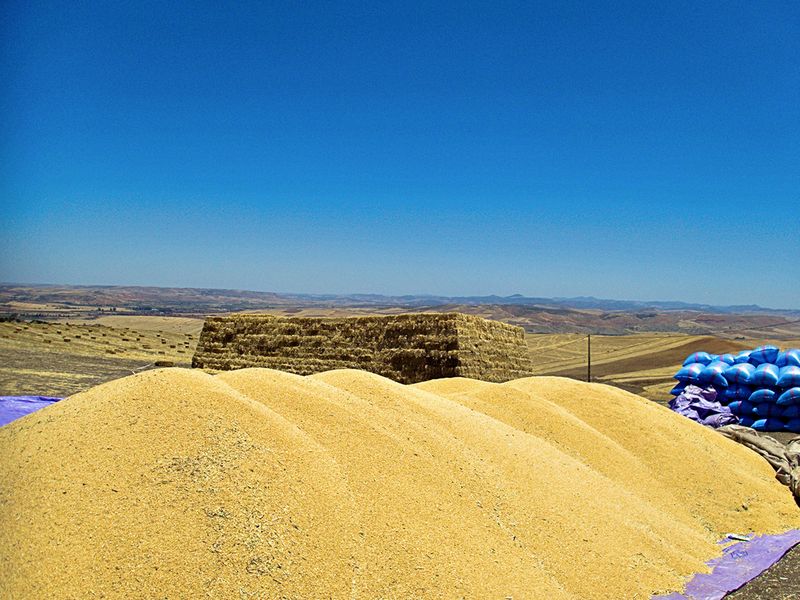
Morocco’s efforts to reduce reliance on wheat imports and prioritize domestically produced grain for millers are being hampered by poor crop quality and delays in harvesting, despite expectations of a significant production rebound following the end of a prolonged drought.
According to millers’ and grain traders’ federation heads speaking to Reuters, after abundant winter rainfall ended a seven-year drought, the government imposed a 135% tariff on wheat imports for June and July to encourage domestic consumption. At the same time, the country—one of the world’s largest wheat importers—expects cereal output, including soft wheat, to nearly double.
However, the harvest campaign is progressing slowly due to labour shortages, ageing and insufficient machinery, and prolonged rainfall. The situation has been further complicated by the overlap with the Eid al-Adha holiday, which has slowed field operations even more. Industry players say the agricultural sector is effectively having to “restart” production systems after years of drought.
Flour millers also highlight significant quality concerns, with average protein content at around 10.5%, below the 11.5% minimum required for bread flour. As a result, processors are forced to blend domestic wheat with higher-protein imported grain to meet quality standards.
A key government condition for potentially resuming imports from August 1 is the channeling of at least 1.2 million tonnes of locally harvested grain into the formal supply system—mills, storage facilities, strategic reserves, and official distribution channels. Industry representatives, however, say this target is challenging, as many small farmers retain grain for personal use and deliveries to storage systems are lagging expectations.
Millers also point to the high heterogeneity of Moroccan wheat, with multiple varieties grown within the same regions, complicating processing and standardization. In addition, freshly harvested wheat must be stored for up to four weeks before milling, adding further pressure on logistics.
If collection delays persist, import restrictions could be extended by another month, risking tighter supply and depleted stocks later in the season, particularly at ports. Despite this, the government maintains its priority is supporting local farmers, while traders and millers acknowledge that Morocco will likely still need to return to imports to stabilize the market.
According to official FNCL data, France supplied 70% of Morocco’s 5.1 million tonnes of soft wheat imports last season, followed by Argentina, Russia, and Germany.
For almost 30 years of expertise in the agri markets, UkrAgroConsult has accumulated an extensive database, which became the basis of the platform AgriSupp.
It is a multi-functional online platform with market intelligence for grains and oilseeds that enables to get access to daily operational information on the Black Sea & Danube markets, analytical reports, historical data.
You are welcome to get a 7-day free demo access!!!
Read also
French agribusiness group Malteurop acquires malting plant in China
Palm oil price declines on profit-taking after weekly gains
Argentina’s sunflower planting area to remain unchanged from last season — BAGE
Heavy rains threaten Australia’s chickpea crop and delay harvest
USDA acknowledges error in September US corn crop forecast




Got additional questions?
We will be happy to assist!
Write to us
Our manager will contact you soon