

Jerusalem artichokes, rutabagas and turnips are making a comeback on tables in France
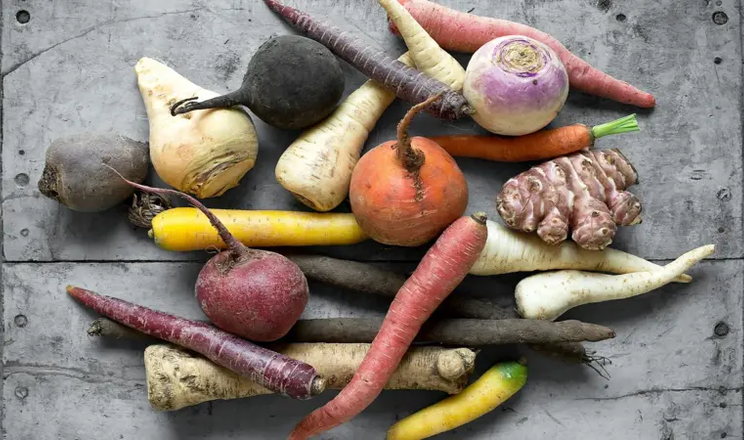
Eighty years after the end of World War II, the French are increasingly turning to the foods that helped their ancestors survive during the occupation. These include Jerusalem artichokes, rutabagas, parsnips and sourdough bread.
“My mother never cooked rutabagas in her life,” recalls writer Kitty Morse, who published a family diary from the occupation with cooking notes. Her ancestors brewed coffee from acorns, roasted barley and picked mushrooms in the forest.
After the war, these vegetables became almost taboo – the French were enamored with white baguettes and meat. But in the last decade, the situation has changed. L’Almanach Montmartre chef Léo Georges notes: “Now you see Jerusalem artichokes everywhere, as well as rutabagas and yellow turnips.”
Reducing consumption of white bread, an interest in local ingredients, and learning about wild-harvesting techniques are all part of a new wave driven by both a desire to reduce climate impact and nostalgia for a simpler way of life.
Read also
300% duty will not stop grain transit via Baltic ports as Lithuania seeks alternat...
Grain could be discussed at trilateral talks between Ukraine, US and Russia – Zele...
Join the 4S Business Summit Rotterdam 2026
12% increase in global sunflower crop to pressure sunflower oil prices
Palm oil prices remain stable amid production risks




Got additional questions?
We will be happy to assist!
Write to us
Our manager will contact you soon