

Iran increases Russian grain imports by 70% as exports shift toward the Caspian Sea
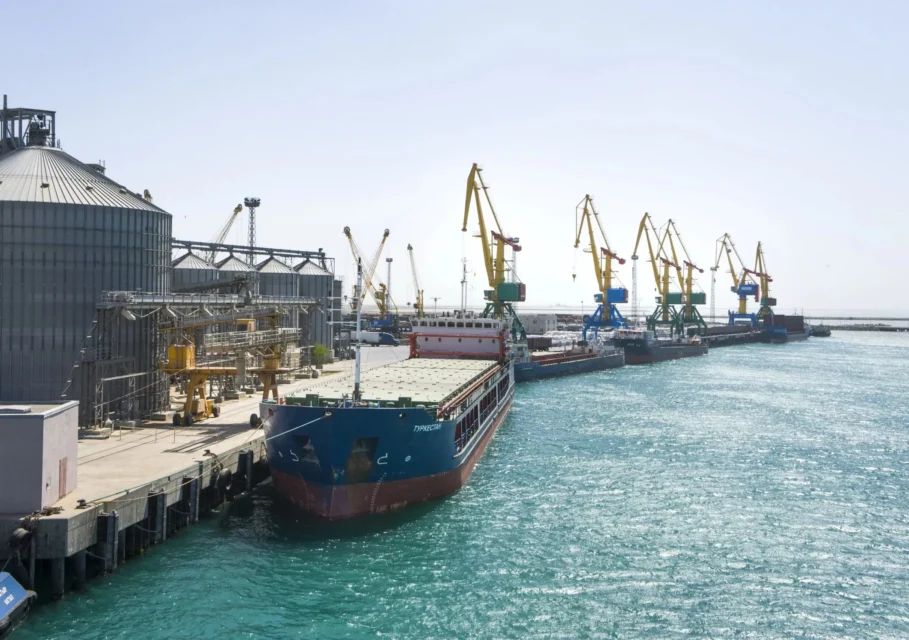
Iran increased its imports of Russian grain by 70% in January–August 2026 compared with the same period last year, becoming the third-largest buyer of Russian grain. Amid strengthening trade and economic cooperation between the two countries, the Caspian Sea is emerging as one of the key routes for Russian agricultural exports. This was reported by the French newspaper Le Monde, citing industry experts.
In recent months, Iranian ports on the Caspian Sea have been operating at high capacity, regularly receiving shipments of Russian wheat, corn, sunflower oil and animal feed. According to Nikita Smagin, an Iran expert at the Carnegie Endowment, the substantial increase in grain purchases has placed Iran among the three largest importers of Russian grain. The growth in shipments comes as economic ties between Moscow and Tehran continue to deepen.
Meanwhile, Russia is increasingly viewing the Caspian Sea as an alternative route for agricultural exports due to disruptions affecting its Black Sea ports. Ukrainian strikes on Russian port and logistics infrastructure have complicated traditional export operations, prompting traders to seek alternative shipping options. The Caspian route allows Russia to maintain trade flows with Iran without relying on Black Sea shipping corridors.
Port infrastructure in Russia’s Astrakhan region plays an important role in developing this route, providing maritime connections between Russia and Iran. Grain, edible oils and other commodities are transported through Caspian ports. The route also holds strategic importance for both countries, enabling them to maintain trade operations amid international sanctions and tighter monitoring of traditional transport corridors.
Further expansion of grain trade between Russia and Iran could increase cargo flows across the Caspian Sea and support the development of alternative export logistics. However, the route is unlikely to fully replace Black Sea ports due to the limited capacity of Caspian infrastructure and the specific characteristics of regional trade. Nevertheless, it is becoming an increasingly important outlet for Russian grain exporters as traditional maritime routes continue to face disruptions.
Read also
Rapeseed sowing in India at its lowest level in 10 years
Canadian wheat exports expected to decline amid smaller harvest and weaker North A...
Sunseed prices in russia decouple from global markets amid Black Sea export restri...
Cool and wet weather increases disease and pest pressure on Ukraine’s winter...
Malaysian palm oil production expected to decline in November




Got additional questions?
We will be happy to assist!
Write to us
Our manager will contact you soon