

Indonesia to increase biofuel production from sugarcane
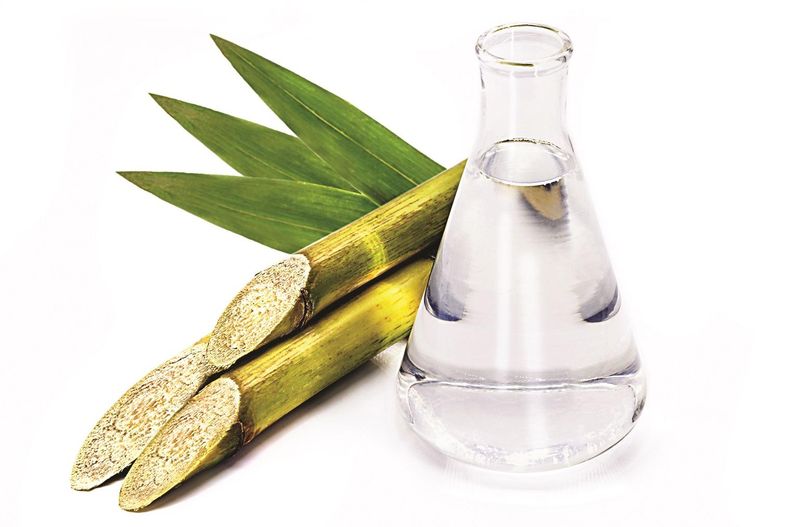
Indonesia plans to establish new sugarcane plantations to expand bioethanol production. The move is linked to the government’s plan to raise the ethanol blend in transport fuel from 5% to 20% in order to reduce the country’s dependence on imported petroleum products.
According to the Energy Ministry, Indonesia would need around 4 mln kiloliters of ethanol annually to implement the E20 mandate, several times more than current production. The government is considering sugarcane, cassava and other crops as potential feedstocks.
Agriculture Minister Andi Amran Sulaiman previously said the country would need to prepare around 1 mln hectares of land to develop the sugar industry. The government plans to prioritize degraded land, although the use of other areas has not been ruled out.
At the same time, Indonesia is ending its large-scale program to expand rice cultivation area after the government said the country had achieved self-sufficiency in the staple crop. According to Mighty Earth, more than 50 thsd hectares of tropical forests, savannas, peatlands and wetlands have been cleared for sugarcane and rice production since the beginning of 2024.
Indonesia already makes extensive use of agricultural feedstocks for fuel production, with palm oil widely used in biodiesel and its share in the fuel blend set to increase further. Expanding sugarcane-based ethanol production will become another tool for reducing the country’s reliance on imported fossil fuels.
Read also
Rising soybean prices force Indonesian tofu and tempeh producers to cut output
Ukraine’s record wheat yield meets a narrow export corridor
Spanish mushroom growers struggle to break even as production costs surge
Ukraine seeks full agricultural sector integration into EU single market
India shifts to palm oil as Black Sea sunflower oil shipments are disrupted




Got additional questions?
We will be happy to assist!
Write to us
Our manager will contact you soon