

Indonesia plans to reduce soybean meal imports by using palm-based feed ingredients
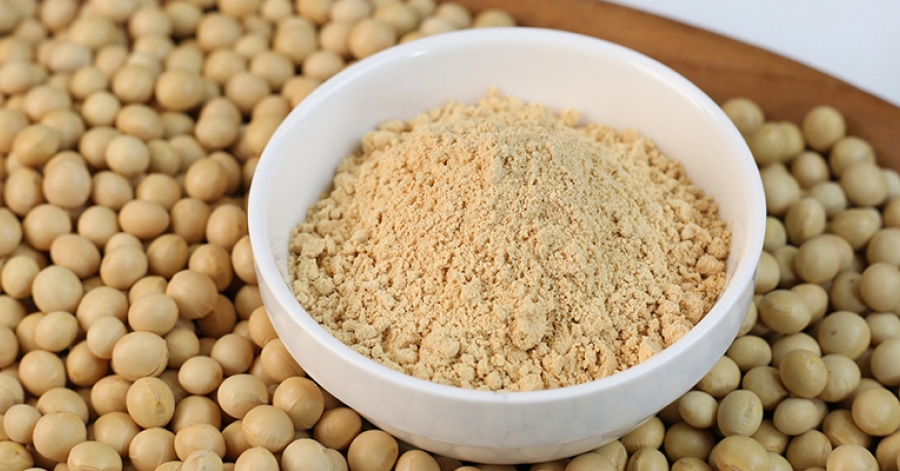
Indonesia plans to increase the use of palm-based ingredients in poultry feed production to reduce dependence on imported soybean meal and lower costs for the poultry industry. The country’s Ministry of Agriculture, together with the National Research and Innovation Agency (BRIN) and universities, is stepping up research into alternative feed ingredients derived from locally available palm-based raw materials.
According to Makmun, a representative of Indonesia’s Ministry of Agriculture, increasing the share of palm-based components in compound feed formulations to more than 10% could significantly reduce raw material import costs and save foreign exchange. Currently, these ingredients account for around 5% of poultry feed formulations. The main palm-derived components already used in feed production are palm kernel meal (PKM) and crude palm oil (CPO).
Indonesia’s poultry industry remains heavily dependent on imported feed ingredients. According to available estimates, locally sourced raw materials meet around 60% of feed requirements for broilers and 63% for laying hens. Imported ingredients therefore account for 40% and 37% of feed raw materials, respectively. Expanding the use of palm processing by-products could partially replace imported ingredients and reduce compound feed production costs.
However, the use of palm-based raw materials faces certain technical limitations. Palm shells, in particular, have a hard and coarse structure, making them difficult to use in poultry diets. Without prior enzymatic treatment or specialized processing, these components could negatively affect poultry digestive systems. Research institutions are therefore working to improve processing methods and increase the suitability of palm-derived ingredients for compound feed production.
Developing alternative feed ingredients could strengthen links between Indonesia’s palm oil industry and poultry sector by creating additional domestic demand for palm processing by-products. However, any reduction in imported soybean meal use will depend on research results, the nutritional value of alternative feed ingredients and their economic viability. Specific timelines for adopting new feed formulations and potential reductions in import volumes have not yet been determined.
Read also
Corn prices in India surge 50%, increasing pressure on bioethanol producers
Kernel-Trade to issue $50 mln in foreign currency bonds to finance agricultural op...
Global dairy prices rise 3% at GDT auction
Panama Canal records growth in vessel transits and tonnage in 2026
EU cereal imports decline by 10%




Got additional questions?
We will be happy to assist!
Write to us
Our manager will contact you soon