

India to involve 40,000 farmers in mustard yield improvement program
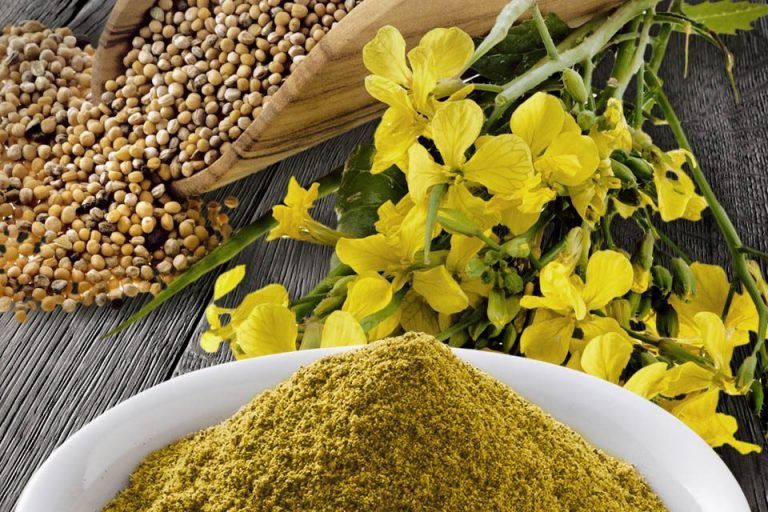
India has launched a five-year program, Sarson Sankalp, aimed at increasing mustard yields, improving soil health, and strengthening domestic vegetable oil production. The initiative involves introducing modern agricultural technologies and regenerative farming practices to improve the efficiency of growing one of the country’s key oilseed crops. The program is also intended to support India’s efforts to reduce its dependence on imported vegetable oils.
In the first phase, during MY 2026/27, the program aims to involve 15,000 farmers across three districts of Rajasthan — Bundi, Tonk, and Jhalawar. By 2031, participation is expected to expand to 40,000 farms. The initiative was launched by the Solvent Extractors’ Association of India (SEA), AWL Agri Business Limited, Solidaridad Network Asia, and the Bharatkhand Foundation.
The program will focus on restoring soil fertility, preserving organic matter, optimizing fertilizer application, and improving water-use efficiency. Farmers will receive training in minimum tillage practices and adapting crops to drought conditions. Demonstration fields and training centers will be established to help farmers assess the benefits of modern agricultural technologies.
Previous trials of similar regenerative farming practices demonstrated mustard yield increases of 21–31%, alongside a 5–11% reduction in production costs. These results could significantly improve profitability, particularly for small farms operating with limited irrigation. In addition, the program aims to establish India’s first certified supply chain for sustainably grown mustard.
Mustard remains an important oilseed crop in India, particularly in northern and central regions, where mustard oil is widely used in cooking. Thanks to its relative drought tolerance, the crop also provides income for millions of smallholder farmers. Expanding mustard production and improving yields could strengthen the domestic raw material base of India’s vegetable oil industry and help reduce the country’s dependence on imported vegetable oils in the long term.
Read also
Ukrainian farmers may reduce pea planting due to low prices and high logistics costs
Ukrainian farmers expand commercial pumpkin production
US soybean crush falls to 13-month low
Global wheat supply deficit triples, increasing upside price risks
Russia’s wheat planting area declines for the fourth consecutive season




Got additional questions?
We will be happy to assist!
Write to us
Our manager will contact you soon