

Record UK wheat quality puts pressure on milling premiums
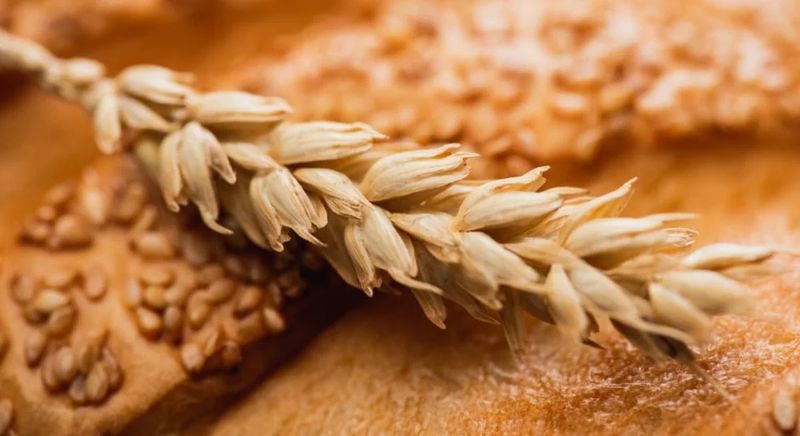
Milling wheat quality in the United Kingdom reached record levels in the 2026 harvest despite a significant decline in yields due to drought. According to the Cereal Quality Survey conducted by the Agriculture and Horticulture Development Board (AHDB), 79% of Group 1 milling wheat samples met standard flour milling specifications. This far exceeded the previous record of 52% set in 2003. However, the exceptional grain quality is putting additional pressure on the price premiums received by milling wheat growers.
Average protein content in Group 1 wheat rose to 13.8%, compared with 13.4% in 2025, reaching its highest level since records began in 1986. Meanwhile, 83% of samples met the typical milling requirement of at least 13% protein. Average specific weights increased to 81.4 kg/hl from 77.8 kg/hl a year earlier. The Hagberg Falling Number, an important indicator of grain suitability for flour production and baking, also reached a record 360 seconds.
Despite the strong quality indicators, UK wheat yields were significantly below average. According to the final harvest results, average winter wheat yields across surveyed farms reached 6.9 tons/ha, approximately 11% below the country’s five-year average. Depending on the region and farm, yields ranged from 3.9 to 11.5 tons/ha. The main reason for lower production was prolonged drought, including the hottest summer on record and an exceptionally dry July in England and Wales.
According to AHDB, the combination of lower yields and above-average sunshine likely contributed to higher protein concentrations in grain, while predominantly dry weather during harvesting helped preserve its quality. However, the high proportion of wheat suitable for flour production is creating additional challenges for farmers. Increased domestic supplies of high-quality grain, combined with ample wheat availability on the global market, have put milling wheat premiums under pressure.
The exceptional quality of the UK wheat harvest is expected to reduce the country’s need for imported bread-making wheat in the MY 2026/27, as a larger share of domestically produced grain meets flour millers’ requirements. For growers, however, this means limited opportunities to earn additional income from grain quality amid lower yields and high production costs. As a result, record wheat quality does not necessarily translate into higher profitability for UK farmers this season.
Read also
USDA attaché forecasts China’s soybean imports 5 mln tons below official est...
Global skimmed milk powder prices hit highest level since 2022
India proposes ban on corn, soybeans and palm oil as aviation fuel feedstocks
Kazakhstan plans to increase vegetable oil and meal exports to China to 1 mln tons
Wheat prices fall after four months of gains, corn prices also decline — FAO




Got additional questions?
We will be happy to assist!
Write to us
Our manager will contact you soon