

India faces threat of sharp rise in edible oil prices
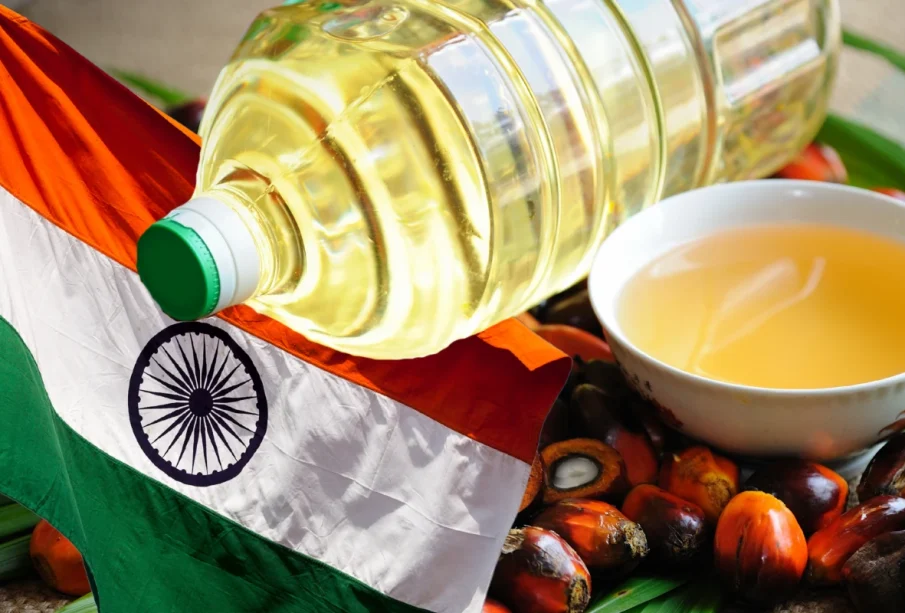
Edible oil, one of the basic products in the daily diet of millions of Indians, has become a new economic challenge for the country. India’s Prime Minister Narendra Modi urged citizens to reduce oil consumption by 10%, saying the move is aimed not only at improving public health but also at reducing the country’s dependence on imports.
Today, India imports around 60% of the edible oil consumed by its population. Most palm oil supplies come from Indonesia and Malaysia, sunflower oil from Ukraine and Russia, and soybean oil from South American countries. As a result, any global disruption — including wars, droughts, or shipping problems — quickly affects domestic prices in India.
Just a few decades ago, India was nearly self-sufficient in edible oil production thanks to crops such as mustard, peanuts, sesame, and coconuts. However, population growth, urbanization, and the rising popularity of fast food and processed products significantly increased demand. At the same time, domestic production failed to keep pace due to weak agricultural productivity and farmers’ dependence on weather conditions.
Rising edible oil prices are already affecting households, restaurants, and food manufacturers across the country. Fried foods, snacks, baked goods, and fast food are becoming more expensive, forcing companies to raise prices on finished products. Experts also note that the weakening rupee is making imports even more costly.
The Indian government has already launched a program aimed at increasing domestic oilseed production by 2030. Authorities hope to reduce import dependence by expanding soybean, mustard, and oil palm cultivation. However, analysts believe the country will not be able to completely eliminate imports due to limited agricultural land and continuously growing demand.
Economists warn that edible oil could become one of the key drivers of inflation in India in the coming years. Amid global conflicts, climate change, and instability in energy markets, the government will have to balance food security, price stability, and affordability for consumers.
For almost 30 years of expertise in the agri markets, UkrAgroConsult has accumulated an extensive database, which became the basis of the platform AgriSupp.
It is a multi-functional online platform with market intelligence for grains and oilseeds that enables to get access to daily operational information on the Black Sea & Danube markets, analytical reports, historical data.
You are welcome to get a 7-day free demo access!!!
Read also
Russia forced to turn to grain storage bags, following Ukraine’s earlier exp...
Ukraine could increase its domestic soybean crushing share to 74%
Jordan makes no purchase in tender for 120 thsd tons of wheat
Drought cuts Germany’s grape harvest to 2010 levels
Malaysian palm oil rises to two-week high on El Niño supply risks




Got additional questions?
We will be happy to assist!
Write to us
Our manager will contact you soon