

India becomes increasingly dependent on corn and rice for bioethanol production
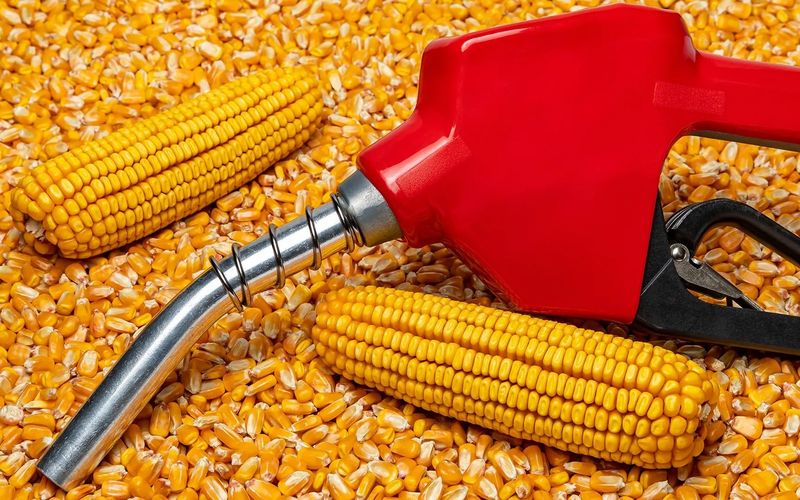
India achieved its target of blending 20% bioethanol with gasoline in 2025/26, supported by increased use of grain-based feedstocks, particularly corn. According to the All India Distillers’ Association (AIDA), the ethanol blending rate increased from 19% in the previous year to 20%. Grain-based feedstocks accounted for 74% of total ethanol supplies for the fuel market, while sugar-based feedstocks represented the remaining 26%.
Corn has become the main feedstock for bioethanol production in India, accounting for around 46% of the total. As a result, nearly half of the country’s biofuel feedstock supply now depends on corn production. Rice is also used for ethanol manufacturing, strengthening the link between the expansion of the biofuel industry and developments in the domestic grain market.
According to preliminary AIDA data, approximately 11.34 bln liters of ethanol were blended with gasoline during the 2025/26 supply year, compared with an estimated requirement of 10.5 bln liters. Total ethanol allocations to suppliers amounted to 11.97 bln liters, while actual supplies were estimated by the association at 10.89 bln liters. Achieving the 20% ethanol blending target marked an important milestone in the government’s programme to reduce dependence on imported fuel.
AIDA President Vijendra Singh said that expanding ethanol production supports India’s energy security and agricultural development. Increased use of grain-based feedstocks creates an additional market for corn and rice producers while making stable harvests of these crops increasingly important for meeting the needs of the biofuel industry.
However, further expansion of grain-based ethanol production could face risks in the 2026/27 season. AIDA warned that a weak monsoon could negatively affect India’s grain harvest and reduce the volumes of corn and rice available for bioethanol production. Under these conditions, feedstock supplies for the fuel industry will increasingly depend on weather conditions, domestic grain production and competition between food, feed and industrial uses.
Read also
Morocco increases tomato exports to the EU, putting pressure on European prices
Greece plans new route for Ukrainian grain exports via Alexandroupolis port
China increases barley imports by 46%, but purchases could decline in the new season
Argentina could export another 7 mln tons of soybean meal by the end of 2026
Grain vessel traffic through the Bosphorus falls 63% amid Black Sea attacks — UN




Got additional questions?
We will be happy to assist!
Write to us
Our manager will contact you soon