

China increases barley imports by 46%, but purchases could decline in the new season
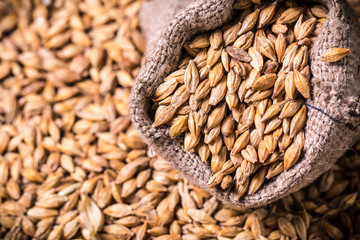
China increased its barley imports by 46.3% year-on-year in January–September 2026 to 11.44 mln tons. According to LeftField Commodity Research, Chinese demand remains the main driver of global barley trade, although purchases could slow in MY 2026/27 due to higher domestic corn production and tighter grain supplies on the world market. Meanwhile, China’s barley imports over the nine-month period approached the record levels recorded in 2024.
Australia remains China’s largest barley supplier, shipping 7.88 mln tons during the nine-month period and accounting for nearly 69% of Chinese imports. Canada ranked second, supplying around 1.6 mln tons, or 14% of the total. The outlook for trade will largely depend on barley’s price competitiveness relative to corn and other feed grains.
According to LeftField Commodity Research, combined barley production among major global exporters in MY 2026/27 is estimated at more than 110 mln tons, slightly below last year’s level. However, actual export availability could be tighter due to a smaller EU harvest and increased use of barley for animal feed amid reduced corn supplies. Disruptions to maritime shipments from Ukraine and Russia are creating additional risks, limiting the availability of Black Sea grain to importers.
Australia could partially offset the decline in supplies, as its barley production forecast has been raised from an initial 14 mln tons to 18 mln tons or more. Such an outcome would exceed last year’s record and allow the country to maintain substantial export volumes. Meanwhile, according to LeftField, Canadian barley exports could decline to 2.9 mln tons in MY 2026/27 from 3.5 mln tons a year earlier, mainly due to tighter available supplies rather than weaker demand.
Despite the risk of lower Chinese purchases, the US Department of Agriculture (USDA) raised its forecast for China’s barley imports in MY 2026/27 by 500 thsd tons to 13.5 mln tons in its November outlook. However, this would still be below the previous season’s 14.04 mln tons. LeftField analysts expect relatively stable global barley prices, with tighter supplies limiting downside pressure while uncertainty over demand from China and other importers reduces the potential for significant price increases.
Read also
Argentina could export another 7 mln tons of soybean meal by the end of 2026
Grain vessel traffic through the Bosphorus falls 63% amid Black Sea attacks — UN
Sweden’s grain harvest falls 11% as farmers delay fertilizer purchases
EU farmers to cut planted area by 1 mln ha for the 2027 harvest — Expana
UK to invest up to £219 mln in sustainable aviation fuel production




Got additional questions?
We will be happy to assist!
Write to us
Our manager will contact you soon