

High feed costs spur India’s call for genetically modified soy and corn imports
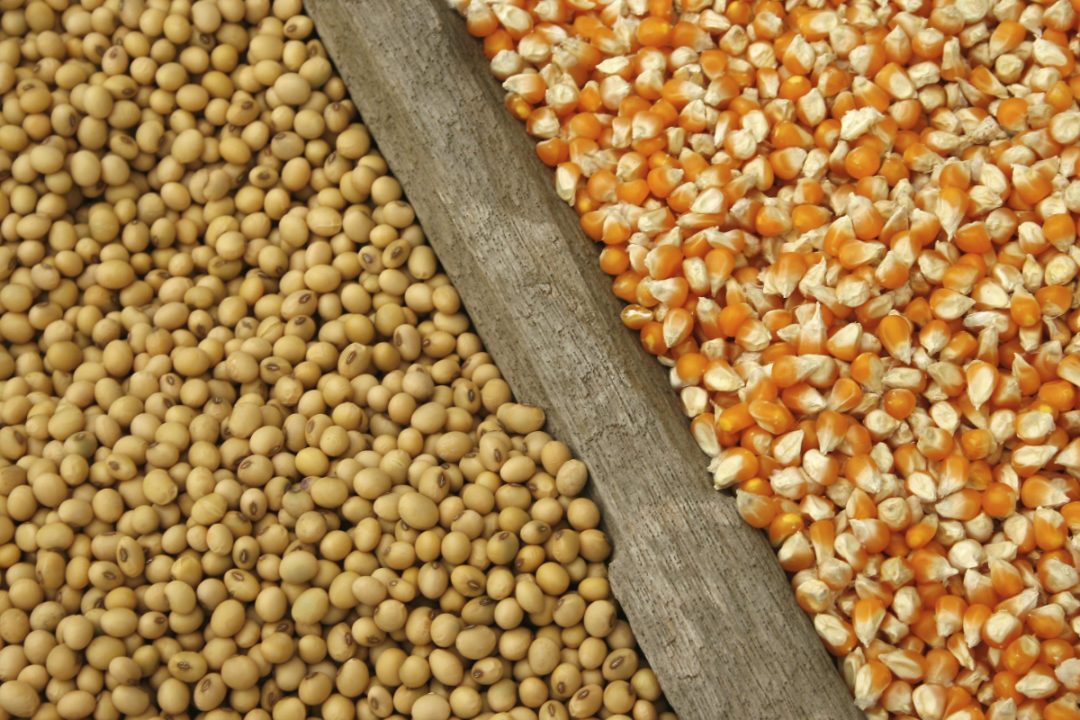
India’s poultry sector is under mounting pressure as escalating feed costs threaten production sustainability. With corn and soybean prices surging, industry leaders are calling for lower tariffs and access to genetically modified (GM) feed grains from the US. As trade talks progress, feed security—not just food security—has become central to the debate.
As India moves closer to finalising the trade deal with the US, debates intensify over tariffs on key agricultural products. Poultry farmers in India are urging the authorities to consider opening the market to US imports of genetically modified (GM) products in an effort to bolster the reeling industry’s profitability, Ricky Thaper, Joint Secretary of the Poultry Federation of India, told local news outlet Asian Agribiz.
Soaring feed costs remain a strong concern for Indian poultry farmers. In the 2025/2026 marketing year, the industry is projected to see its profitability plunge by, on average, 50% due to a sharp rise in corn and soybean prices, Crisil Rating, a local consulting agency, said in a report based on a survey of 30 poultry farms in February 2025.
India has high import tariffs on soybeans, which act as a barrier to US exports. The tariff rate on US soybeans is around 45-56.5%, including taxes. This high cost makes it economically unviable to export US soybeans to India.
According to Thaper, the Indian poultry industry regularly faces shortages of feed grains and allowing GM soybeans and maise into the market could significantly reduce the burden on producers.
Several industry bodies, including the Confederation of Indian Industry (CII), have also advocated the allowing of GM soybeans and corn imports, citing an “unprecedented rise in feed prices” that threatens the profitability of the poultry sector.
The idea of lowering tariffs on GM corn and soybeans from the US has recently been backed by NITI Aayog, a government agency serving as the public policy think tank. In a statement released on June 12, the agency called for selectively opening imports, reducing tariffs on feedstuff but maintaining high tariffs for poultry and dairy products.
“India needs to be smart in negotiating reciprocal market access—open where we don’t compete, protect where we must,” NITI Aayog emphasised in the report.
However, the idea of lowering the import duties on GM corn and soybeans faced backlash from farmers and a part of the expert community.
The Global Trade Research Initiative (GTRI), an independent consultancy, has called on the Indian government to exercise caution regarding the tariff cuts on agricultural products under the proposed India-US trade deal.
For example, GTRI has raised concerns about the potential risks involved in the proposed India-US trade deal. They assume that once the deal is struck, it would be almost impossible to amend it and impose high tariffs back. The analysts also voice concerns that GM soybeans are subject to state subsidies in rich countries, including the US, and their massive import can incur tremendous losses to local farmers.
Switching to imports would harm India’s food security and undermine public trust, as existing veterinary regulations would make it difficult to impose strict control over the turnover of GM grain in the market, analysts warned.
For almost 30 years of expertise in the agri markets, UkrAgroConsult has accumulated an extensive database, which became the basis of the platform AgriSupp.
It is a multi-functional online platform with market intelligence for grains and oilseeds that enables to get access to daily operational information on the Black Sea & Danube markets, analytical reports, historical data.
You are welcome to get a 7-day free demo access!!!
Read also
Hungary will not oppose transit of Ukrainian grain to Europe — Magyar
Coming Up in UkrAgroConsult Reports: Key Market Signals
Zelenskyy warns of continued Russian attacks on Black Sea ports
Canada’s new wheat crop quality exceeds expectations
Ukrainian farmers may reduce pea planting due to low prices and high logistics costs




Got additional questions?
We will be happy to assist!
Write to us
Our manager will contact you soon