

China develops new apple varieties with rose aroma and improved resilience
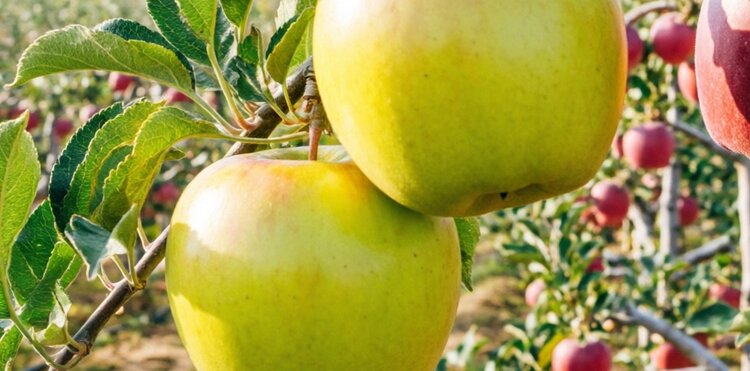
China, the world’s largest apple producer accounting for more than half of global output, is actively developing its own varieties to reduce the industry’s dependence on foreign-origin cultivars, particularly Japan’s Fuji. Chinese scientists are developing new varieties combining high yields, long storage life, resilience to adverse weather conditions and improved flavor characteristics. More than 401 thsd unique hybrid seedlings are currently being maintained and studied as part of the country’s large-scale apple breeding program.
One of the main breeding objectives is to develop apples capable of retaining their firmness, juiciness and sugar content for months in storage. New varieties are also expected to withstand severe winters and drought and resist major diseases, including apple scab. Particular attention is being paid to developing durable skins that eliminate the need for the individual paper bags traditionally used on apples while they are still on trees in China.
Key targets for the new apples include sugar content of 15–17% or higher, firm and crisp flesh, and distinctive aromas with notes of rose or peach. To accelerate breeding, Chinese scientists are combining conventional crossbreeding with molecular technologies. DNA markers allow researchers to identify seedlings carrying desirable genes for sweetness and resilience at an early stage, reducing the breeding period by around 30%.
Among the promising varieties already developed are Qin Cui, Rui Xue and Lu Li. Late-maturing Rui Xue has a sugar content exceeding 17.4%, very firm flesh and a distinctive rose aroma, while its fruit can be stored for several months. Qin Cui ripens about two weeks earlier than Fuji and combines juicy, crisp flesh with greater resilience to adverse conditions, while early-maturing Lu Li targets the summer apple market.
All three varieties have already received state registration and patents and are moving into large-scale commercial production. Propagation rights are commanding significant prices, with the Qin Cui license, for example, transferred to an agricultural company for 12 mln yuan. Plantings of the new varieties are expanding in China, while the apples are being positioned as premium products in supermarkets and are even sold individually rather than by weight.
Read also
Romania proposes joint NATO command to protect the Black Sea
Drought in India threatens sugar and biofuel production
Record sunseed harvest in Russia threatens to drive down prices in Kazakhstan
Corn drying costs in Ukraine could exceed the value of the grain at current prices
Oilseeds remain the only profitable segment of crop production in Russia




Got additional questions?
We will be happy to assist!
Write to us
Our manager will contact you soon