

Chile may adopt E10 gasoline, boosting corn demand
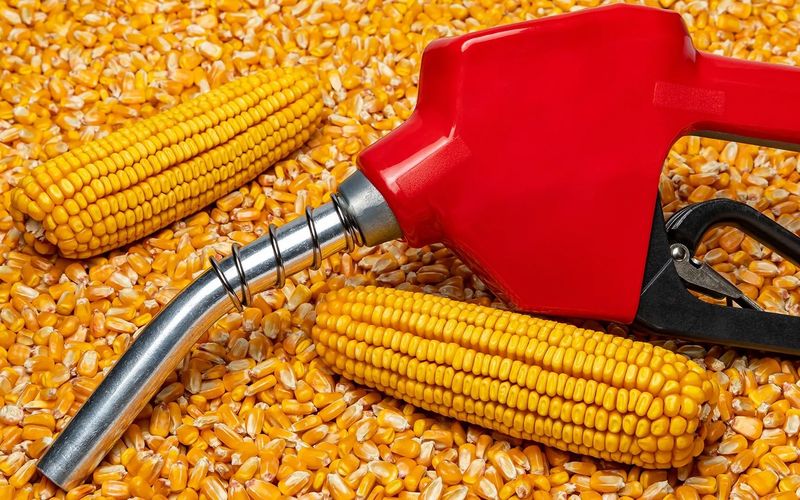
Chile is considering a shift to gasoline containing 10% ethanol (E10), which could create additional demand for corn as a key feedstock for bioethanol production. The country’s Energy Ministry has drafted the proposal amid high crude oil prices and rising fuel import costs.
According to government estimates, adopting E10 could reduce national fuel supply costs by around $107 mln annually. State oil company ENAP would need to invest about $10.8 mln to adapt refining, terminal and storage infrastructure.
Chile currently has no mandatory ethanol blending requirement and remains one of the few Latin American markets still relying heavily on the gasoline additive MTBE. Domestic ethanol production is limited because the country lacks sufficient agricultural land to produce enough feedstock.
As a result, a shift to E10 would likely increase Chile’s demand for imported ethanol. Argentina and Bolivia are currently its main suppliers, while expansion of the biofuel market could also support demand for corn used in ethanol production.
According to the U.S. Grains Council, Chile could technically move to a 10% ethanol blend and potentially to E15 by 2030. The development of the country’s biofuel policy could therefore create a new source of demand for corn and ethanol producers in the region.
Read also
IGC raises global corn production forecast but expects grain stocks to decline
Brazil’s soybean acreage expansion to slow to a 20-year low — Conab
China’s phosphate fertilizer exports collapse to near zero, worsening global...
NATO to discuss threats to Black Sea shipping following attacks on commercial vess...
Russia seeks to retain its share of Egypt’s wheat market




Got additional questions?
We will be happy to assist!
Write to us
Our manager will contact you soon