

Cattle prices in Brazil rise to highest levels amid tight supply and export demand
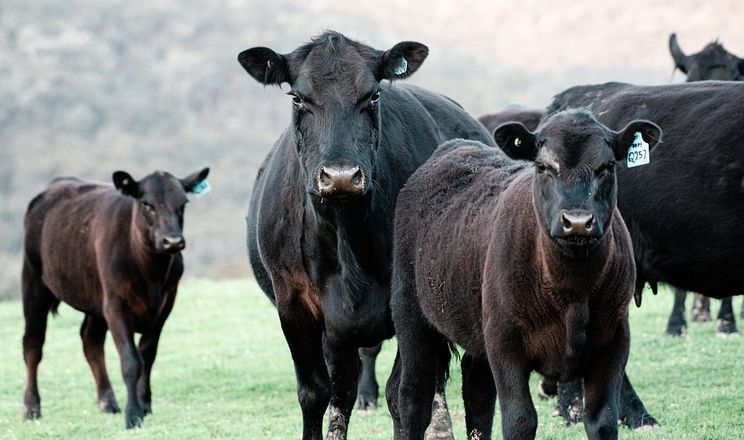
Cattle purchase prices in Brazil have approached record highs due to tight supplies and intensifying competition among meat processors. In Mato Grosso do Sul, base prices stand at around BRL 380 per arroba (15 kg of carcass weight), reaching BRL 392 with premiums included. In São Paulo, some transactions are being concluded at approximately BRL 390 per arroba. Strong export demand, particularly from the US and Canada, is adding further pressure to the market.
According to market participants, Brazilian slaughterhouses are facing limited cattle availability for near-term slaughter. Some large plants are purchasing around 1,000 head per day to maintain continuous operations. The situation is particularly challenging for smaller processors, which depend on spot purchases and lack sufficient volumes of contracted cattle. In Campo Grande, prices have reached BRL 375 per arroba, while procurement offers in Rondônia and Pará have increased to approximately BRL 370.
Demand for Brazilian beef from international buyers remains one of the main drivers of rising cattle prices. In particular, a significant share of beef produced from cattle purchased in Rondônia is destined for the US and Canadian markets. Meanwhile, market participants suggest that preparations for future shipments to China may also be influencing procurement activity. Expectations of potentially tighter Chinese import quotas in 2027 are creating additional uncertainty, although no specific changes have been confirmed.
Amid strong demand, some Brazilian cattle producers are holding back sales, expecting prices to rise to BRL 400 per arroba. However, their ability to delay sales depends on pasture conditions, feed costs and working capital requirements. Some meat processors have already secured November cattle supplies at prices ranging from BRL 380 to BRL 385 per arroba. Procurement for December slaughter and January export shipments is expected to sustain competition for available cattle.
Despite higher raw material costs, export prices for certain Brazilian beef products are moving in the opposite direction. According to Platts, Brazilian FFQ-8 beef was assessed at $6,780/t FCA Santos on October 20, down $170/t from the previous week. Thus, rising cattle procurement costs combined with declining export prices could increase pressure on meat processors’ profitability. Smaller companies without their own cattle supplies or long-term contracts with suppliers face the greatest risks.
Read also
Global pumpkin seed prices rise as China’s harvest declines
Jordan announces tenders to purchase up to 120 thsd tons each of feed barley and m...
Crude palm oil prices in Malaysia to stay above $1,128/t in November — MPOC
Dairy protein prices rise while milk fat prices decline on global market
Ukraine and Poland discuss options for grain transit to European ports




Got additional questions?
We will be happy to assist!
Write to us
Our manager will contact you soon