

Black Sea war enters a new phase of escalation, threatening global grain supplies
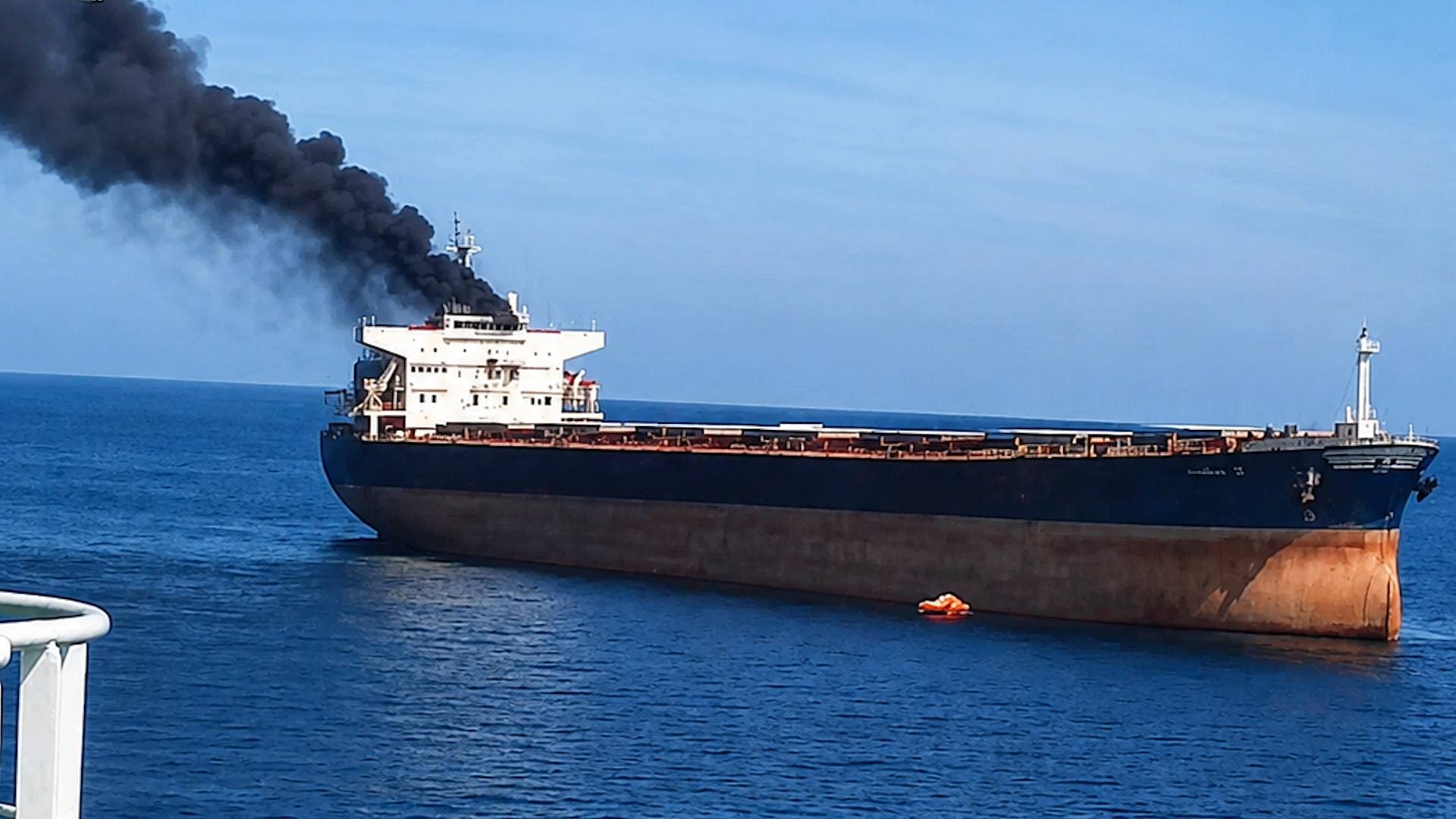
Military operations in the Black Sea have entered a new phase of escalation, turning the region into one of the most dangerous routes for international shipping, according to the Financial Times. Since the summer of 2026, attacks on merchant vessels and port infrastructure have increased sharply. According to maritime security company Ambrey, around 387 attacks were recorded in July–September, more than five times the number reported in the previous quarter. Meanwhile, the geographical scope of threats continues to expand across the Black Sea.
The current escalation differs from previous stages of the war in the scale of attacks on shipping by both sides. Ukraine has intensified strikes on Russian vessels and port infrastructure. In response, Russia has stepped up attacks on merchant ships heading to Ukrainian ports. According to Ambrey, Russia was responsible for around 90% of all recorded attacks on vessels in the Black Sea over the past 45 days. Experts warn that the further expansion of attacks threatens shipping throughout the entire Black Sea basin.
The escalation has already had a significant impact on Ukrainian grain exports. According to port operator TIS, the number of vessels handled in September fell to fewer than 10, compared with approximately 400 in July. Seaborne agricultural exports declined to 1.4 mln tons in August, around 75% below pre-war levels. Ukraine has been forced to redirect part of its grain shipments through Danube ports and rail routes, but these alternatives are more expensive and cannot fully compensate for the loss of maritime capacity.
Russian grain exports are also facing significant logistical constraints. Attacks on vessels and port infrastructure are disrupting shipments through traditional Black Sea terminals. According to satellite monitoring data from IFCHOR Galbraiths, shipments through Black Sea and nearby Azov Sea ports fell to 201 thsd tons in September, six times lower than in August. Russia is attempting to offset these losses by using Baltic ports and other routes, but significantly higher transportation costs are weakening the competitiveness of its grain on the global market.
The situation is further aggravated by a sharp increase in shipping and insurance costs. According to the FT, war risk insurance premiums can reach 15% of a vessel’s hull value in some cases, almost twice the rates charged for ships operating in the Persian Gulf. Due to elevated risks, some shipowners are refusing to operate in the Black Sea, while others are deploying older vessels to reduce costs. This further limits the availability of shipping capacity for grain exports from Ukraine and Russia.
The consequences extend far beyond the Black Sea region. Countries in Africa and Asia that depend on Ukrainian and Russian grain are already being forced to seek alternative suppliers. Indonesia, for example, is considering purchases of Australian wheat amid concerns that Russian supply contracts may not be fulfilled. Unless the two sides reach a ceasefire or agreements to ensure maritime security, further disruptions to Black Sea shipments could lead to a shortage of grain available on the international market, intensify competition among importers and trigger another rise in global prices.
Read also
Sudan risks grain deficit of up to 3.56 mln tons in MY 2026/27
Hope emerges for resumption of VAT refunds to exporters in Ukraine
Sheep grazing at solar farms increases beneficial insect populations by 38%
Cameroon aims to boost corn production to 6 mln tons by 2030
Egypt plans to raise domestic wheat procurement prices




Got additional questions?
We will be happy to assist!
Write to us
Our manager will contact you soon