

Black Sea shipping disruptions reshape Ukraine’s wheat and corn trade
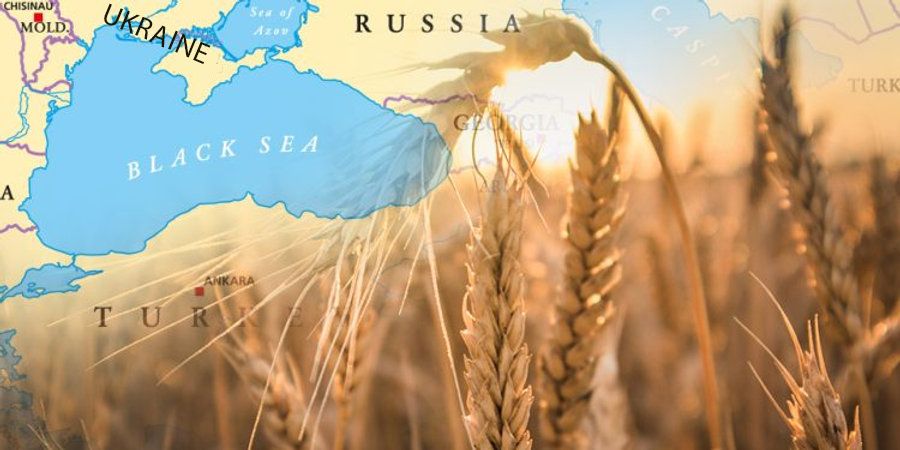
Escalating military activity in the Black Sea is having an increasingly significant impact on global grain trade. Attacks on ports, terminals and commercial vessels in Ukraine, along with navigation restrictions in the Sea of Azov, have disrupted logistics, reduced grain purchases by exporters and increased the premium for reliable execution. Buyers are increasingly favouring shipments through Romania and Bulgaria despite their higher costs.
Since July 10, the situation has intensified on both sides of the Black Sea. Russian strikes have damaged port infrastructure and merchant vessels in the Greater Odesa area, while Ukrainian attacks on Russian vessels and logistics assets have restricted traffic through the Sea of Azov and the Don-Azov shipping channel. As a result, shipowners have begun cancelling voyages, while importers are delaying purchases until shipping conditions become clearer.
Ukraine’s grain exports have been affected the most. Facing uncertainty over vessel arrivals, major traders have reduced grain purchases from farmers because they cannot guarantee timely shipments. The timing is particularly challenging as the escalation coincides with the start of large-scale exports of the new wheat crop, when ports need to operate at full capacity.
Port infrastructure has also suffered significant damage. Kernel reported heavy losses at its Chornomorsk terminal, where loading equipment, power infrastructure and storage facilities were damaged. The company said approximately 45 thsd tons of wheat and 9 thsd tons of sunflower oil were lost or damaged, further complicating export operations.
Limited vessel availability has become one of the market’s biggest challenges. According to market estimates, 30-40% of shipowners scheduled to call at Ukrainian ports during the second half of July and early August have cancelled their voyages because of heightened security risks. Ships are exposed not only while loading but also when approaching and departing Ukrainian ports.
The corn market has been particularly affected. Spot trading has virtually stalled as shipowners avoid Ukrainian ports, while buyers have increasingly turned to supplies from Brazil, Argentina, Romania and Bulgaria. Ukrainian corn is being offered at a discount to competing origins, but lower prices are not sufficient to offset execution and freight risks.
Wheat prices have moved higher, although buying interest remains limited. Romanian and Bulgarian wheat has gained an additional premium because their ports are viewed as more secure loading points. At the same time, importers, including Egypt, are postponing purchases while waiting for greater clarity regarding Black Sea security and freight costs.
Analysts say execution certainty is becoming as important as price in the grain market. If security conditions fail to improve, trade flows are likely to continue shifting toward safer Romanian and Bulgarian ports, while Ukraine and Russia face higher logistics costs, tighter vessel availability and stronger competition for export capacity.
Read also
EU risks becoming dependent on China amid aviation fuel feedstock shortages
Ukraine to compensate shipowners for up to 80% of losses from Russian attacks
Soybean cultivation in Europe shifts north due to drought
Global beef production to decline by more than 3% for the first time in five years
Indonesia launches new palm oil export monitoring system




Got additional questions?
We will be happy to assist!
Write to us
Our manager will contact you soon