

Biofuel plants should be ready to process up to 10 types of feedstock – experts
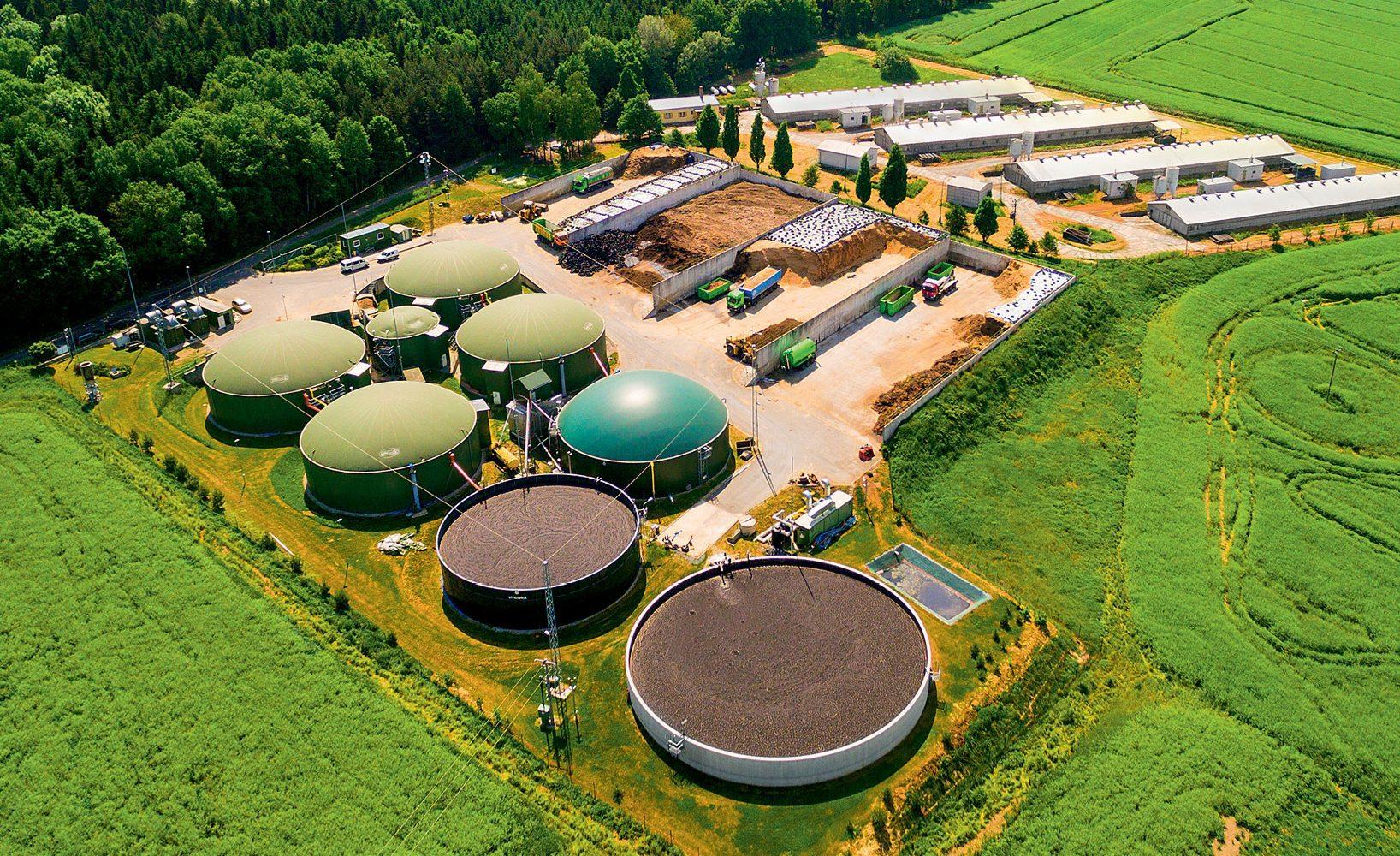
Further growth in biofuel production will require greater feedstock diversification and more flexible supply chains, participants at the APPEC 2026 conference in Singapore said. According to industry experts, the main challenge is not so much a physical shortage of feedstock as volatility in available volumes and regulatory uncertainty over which feedstocks are eligible for use in different markets.
The biofuel industry needs to gradually reduce its dependence on a narrow range of traditional feedstocks, including palm oil. According to Eni Trade & Biofuels, processing plants should develop the technological capabilities and logistics needed to potentially handle up to ten different types of feedstock of varying quality.
This will require additional pretreatment capacity and a broader supplier network. The ability to switch quickly between different feedstocks would help plants maintain utilization rates when supplies of individual products are disrupted. This is becoming increasingly important amid stronger competition for used oils and other waste-based feedstocks.
Market development is also being constrained by complex certification requirements and a lack of reliable data on available feedstock volumes. APPEC participants pointed, in particular, to difficulties in assessing the availability of used cooking oil in Japan. Limited market transparency can reduce banks’ willingness to finance purchases even when the required feedstock is physically available.
Frequent changes in government policies, feedstock eligibility requirements and certification rules remain another risk. Market participants said more stable regulatory conditions, combined with the ability to process a wider range of feedstocks, are needed to attract investment and further scale up biofuel production.
Read also
Coming Up in UkrAgroConsult Reports: Key Market Signals
Dragon Capital forecasts reopening of Black Sea grain corridor in 2027
Iran and Afghanistan are the only markets where Russian wheat has gained market share
USDA raises US corn production forecast
Global palm oil stocks to fall to lowest level since 2017/18 — USDA




Got additional questions?
We will be happy to assist!
Write to us
Our manager will contact you soon