

Bio-LNG costs nearly three times as much as conventional marine fuel
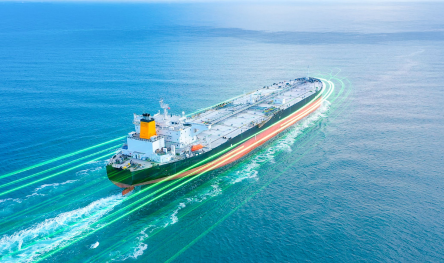
Alternative fuels for maritime transport remain significantly more expensive than conventional marine fuels, creating additional economic barriers to the decarbonization of global shipping. According to Platts, the average price of marine fuel oil with a sulfur content of 0.5% in Rotterdam was $17.90 per gigajoule (GJ) in October 2026, compared with $28.78/GJ for liquefied natural gas (LNG) and $51.71/GJ for bio-LNG.
As a result, LNG was approximately 61% more expensive than conventional marine fuel, while bio-LNG cost nearly 2.9 times as much. The price gap between conventional LNG and its bio-based alternative also remained substantial, with bio-LNG costing almost 80% more. This significant price difference makes it difficult for shipping companies to switch to alternative fuels without additional economic incentives.
Marine fuel costs have become particularly relevant amid negotiations at the International Maritime Organization (IMO) over new environmental standards. The proposed Net-Zero Framework envisages introducing mandatory greenhouse gas emissions charges for ships from 2028 to encourage the use of low-carbon fuels. However, adoption of the framework has been postponed due to disagreements among countries, and final approval of the rules may not take place until 2027.
The United States opposes mandatory carbon charges for maritime carriers. According to US estimates, the proposed mechanism could increase annual costs for the global shipping industry by $53–265 bln. Washington is concerned that the additional expenses incurred by shipowners would ultimately be passed on to shippers and end consumers through higher maritime transport costs. At the same time, the US recognizes LNG and bio-LNG as potential alternatives to conventional marine fuels.
Changes in marine fuel costs are particularly important for international trade in grain, oilseeds and edible oils, as fuel expenses are a key component of ocean freight rates. A large-scale transition to more expensive alternative fuels without compensation mechanisms could increase logistics costs for agricultural exporters and importers. Future developments will depend on IMO decisions, the expansion of alternative fuel infrastructure and a narrowing of the price gap between conventional and low-carbon energy sources.
Read also
Global crude oil market shifts to surplus as Persian Gulf supplies recover
Australian barley exports reach record 11.48 mln tons
EU approves duckweed as a new source of plant-based protein
Government wheat stocks cap prices in India despite strong mill demand
Australia harvests record almond crop as exports to India surge




Got additional questions?
We will be happy to assist!
Write to us
Our manager will contact you soon