

Argentina cattle slaughter falls to lowest level since 2014
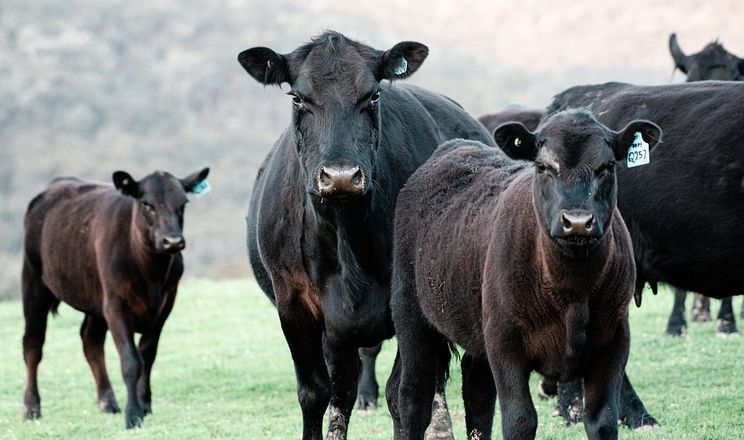
Argentina slaughtered 8.13 mln head of cattle in January–August 2026, almost 10% less than a year earlier. This was the lowest level for the first eight months of the year since 2014, mainly due to tighter cattle supplies.
The decline in slaughter has affected the meat processing industry unevenly. The 44 export-oriented plants included in the Hilton Quota allocation increased slaughter by 4% to 3.19 mln head, while the rest of the sector reduced volumes by around 17% to 4.94 mln head.
Export-oriented processors are being supported by stronger conditions in international markets. In August, the average price of Argentine beef exports reached $5,556/t, up 26% year-on-year. During the first eight months of the year, exports accounted for around 30% of total beef production, compared with 25.8% a year earlier.
Meanwhile, the domestic market remains weak due to declining consumer purchasing power. Per capita beef consumption has fallen by more than 4.5 kg over the past year, while some consumers are switching to cheaper proteins such as poultry and pork.
Rosgan warns that tight cattle supplies could persist, while strong international demand is likely to intensify competition for livestock. As a result, exports could continue to take a larger share of beef production, while processors dependent on the domestic market remain under the greatest pressure.
Read also
Ukraine plans to deploy maritime and aerial drones to protect ships in the Black Sea
Russia shifts from wheat exports to flour amid Black Sea logistics disruptions
China’s soybean oil exports could reach a record 1.35 mln tons
Palm oil prices rise 3.5% amid stronger soybean oil market and growing stocks
World’s largest cocoa producer forecasts 21–25% decline in harvest




Got additional questions?
We will be happy to assist!
Write to us
Our manager will contact you soon