

World’s first ammonia-powered dry bulk carrier completes sea trials
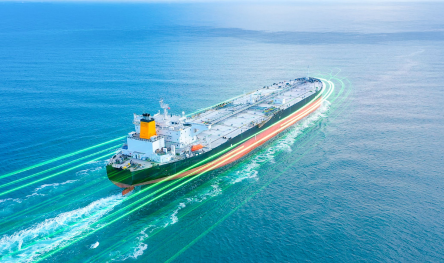
The world’s first large dry bulk carrier equipped with an ammonia-capable engine has successfully completed sea trials and embarked on its maiden voyage. The 210,000-deadweight-ton Mineral Europa is owned by Belgian company CMB.Tech and was built at China’s Qingdao Beihai Shipyard. The Newcastlemax-class bulk carrier features a dual-fuel engine capable of operating on either ammonia or conventional marine fuel. The vessel will operate under a charter agreement with Australian mining company Fortescue.
Following the trials, the vessel took on 1,000 tons of green ammonia during a bunkering operation at the Chinese port of Zhoushan. The fuel was transferred directly from one vessel to another, marking an important step in testing the feasibility of alternative fuels in large-scale commercial shipping. On October 14, Mineral Europa departed on its maiden voyage to Australia. Ammonia is being considered as one of the options for reducing carbon emissions from maritime transport, although its wider adoption requires suitable port infrastructure.
By 2029, CMB.Tech plans to take delivery of a total of 21 vessels designed to use ammonia fuel, including 18 dry bulk carriers, one containership and two chemical tankers. However, the transition to alternative fuels involves significant additional costs. According to international classification and advisory company DNV, building ammonia-powered vessels costs 15–20% more than constructing conventional ships.
The high cost of fuel remains the main obstacle. According to DNV, the price of green ammonia in Europe is approximately $2,900/t on a marine gas oil energy-equivalent basis, around five times the cost of diesel fuel. In addition, ammonia requires almost three times the fuel tank volume to deliver the same amount of energy. This could reduce available cargo space, limit voyage range and increase bunkering requirements.
The introduction of large ammonia-powered bulk carriers opens up opportunities for a gradual transition toward alternative energy sources in maritime logistics, including the transportation of grain and other bulk commodities. However, high vessel and fuel costs, limited bunkering infrastructure and safety requirements could slow the technology’s adoption. Further development of ammonia-powered shipping will depend on lower green ammonia costs and the availability of fuel supplies at major ports worldwide.
Read also
Morocco plans to process 200 thsd tons of waste oils and fats into biofuel annually
4S Business Summit: Join Delegates From 10+ Countries!
Imported wheat prices in Brazil could rise due to higher logistics costs
NATO strengthens Black Sea presence following series of attacks on ships
Cheap Russian sunseed displaces domestic supplies at Kazakhstan’s crushing p...




Got additional questions?
We will be happy to assist!
Write to us
Our manager will contact you soon