

Wilmar chairman says India should aim for 60% edible oil self-sufficiency
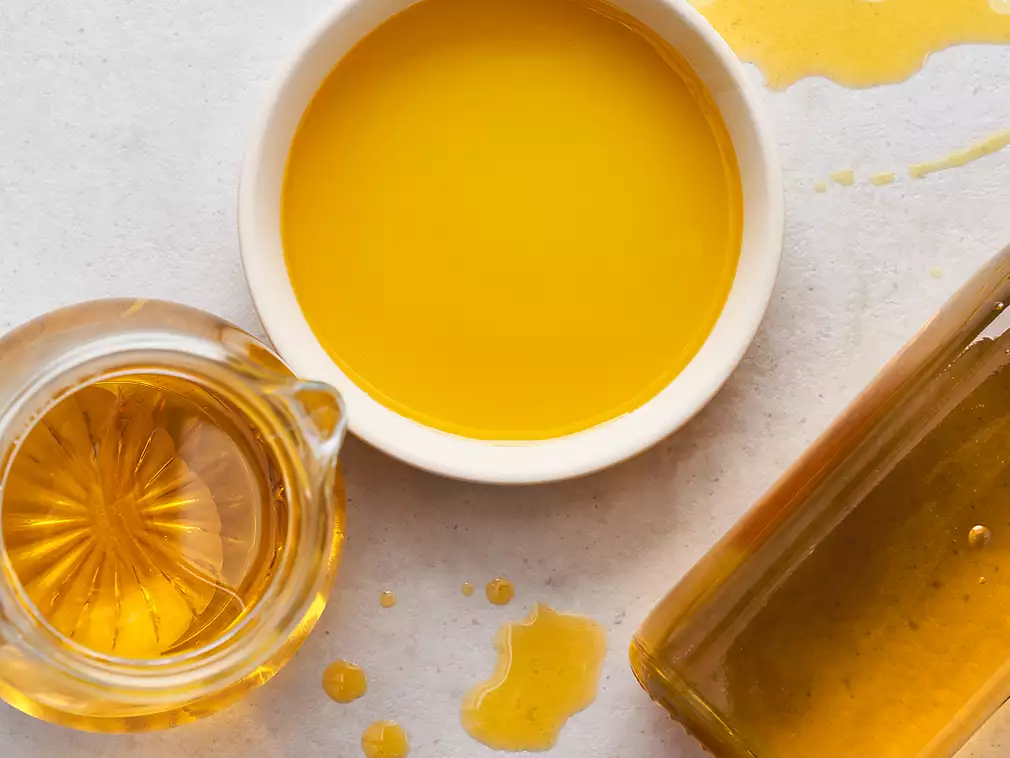
Wilmar International Chairman Kuok Khoon Hong said India should aim to meet at least 50–60% of its domestic edible oil demand through local production. According to him, food security is a strategic issue for a country of India’s size, while excessive dependence on imports creates risks for the economy and consumer market.
India currently covers around 60% of its edible oil demand through imports, making it the world’s largest importer of palm oil. Palm oil accounts for the biggest share of the country’s edible oil consumption at about 38%, followed by soybean, mustard, and sunflower oils. Indonesia and Malaysia remain the leading global suppliers of palm oil.
In an interview with The Economic Times, Kuok Khoon Hong stressed that the Indian government should ensure consistency in import duty policies. Stable and predictable regulations, he said, would encourage farmers to expand oilseed cultivation and invest in production. Frequent tariff changes, meanwhile, create uncertainty for the agricultural sector.
Indian Prime Minister Narendra Modi recently urged citizens to voluntarily reduce edible oil consumption by 10% amid concerns over the country’s widening current account deficit and the weakening rupee. Additional pressure on the market has come from rising crude oil prices linked to the Iran conflict. In previous years, the Indian government alternated between raising import duties to protect local farmers and cutting them to curb food inflation.
Kuok Khoon Hong also pointed to China as an example of a country that prioritizes food security. According to him, the Chinese government maintains a strong focus on high levels of self-sufficiency in key agricultural commodities because large-scale purchases on the global market could trigger shortages and sharp price increases worldwide.
Since the start of the Iran war in late February, global oil prices have risen by more than 40%. This has encouraged countries such as Indonesia, Malaysia, and the United States to divert more palm and soybean oil toward biodiesel production. As a result, global supplies of edible oils for food use have tightened, driving prices higher. In India, retail edible oil prices have increased by 20–25% over the past four months.
The head of Wilmar International believes palm oil prices will remain elevated as long as crude oil trades near $100 per barrel and governments continue supporting biofuel production. Despite this, India is expected to remain the world’s largest palm oil importer for at least the next few years due to strong domestic demand and the oil’s popularity in Indian cuisine. At the same time, the government continues implementing its National Mission on Edible Oils–Oil Palm program aimed at reducing import dependence, although environmental groups have raised concerns over the potential ecological impact of expanding plantations.
Read also
Argentina’s grain and oilseed sales exceed the five-year average by 25%
Australia increases barley production despite unfavorable weather conditions
Wheat, corn and soybeans fall in Chicago on Friday
Ireland’s grain imports reach 5.1 mln tons amid strong feed demand
Zimbabwe plans to produce aviation fuel from sugarcane and sorghum




Got additional questions?
We will be happy to assist!
Write to us
Our manager will contact you soon