

Weaker Brazilian real poses risks to US soybean exports
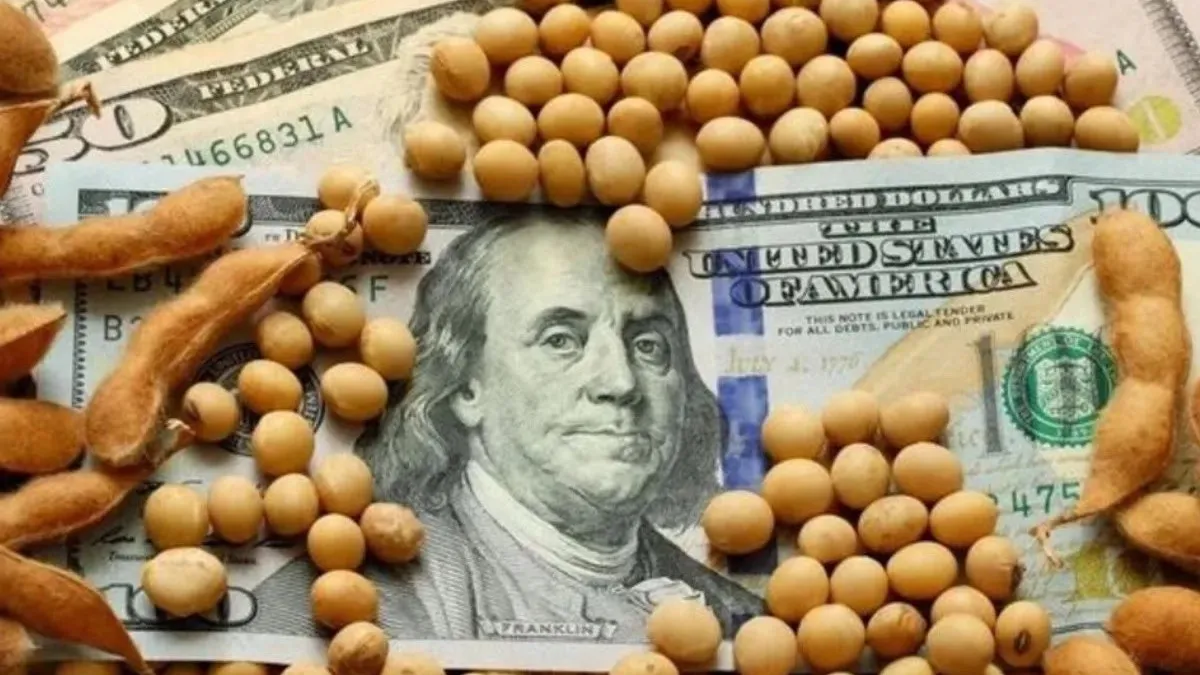
U.S. soybean futures fell on October 26 amid a sharp weakening of the Brazilian real following Brazil’s presidential election. A weaker Brazilian currency could improve the price competitiveness of Brazilian soybeans on the global market and increase pressure on U.S. exporters.
According to AgroLatam, January soybean futures fell 22.75 cents to $12.4575 per bushel in early Chicago trading. The reelection of Luiz Inácio Lula da Silva was accompanied by a sharp decline in the real, the publication reported. This could give Brazilian suppliers greater flexibility in pricing their exports in U.S. dollars.
The weaker real poses additional risks for U.S. soybean producers, as importers may favor lower-priced offers from Brazil. Increased competition could affect U.S. cash prices and farm profitability, while growers continue to face production, financing and crop storage costs.
Price declines also extended to other grains. December corn futures in Chicago fell 4.25 cents to $4.5175 per bushel, while December wheat futures declined 5.25 cents to $6.1975 per bushel. Kansas City wheat futures lost 2.75 cents, while Minneapolis wheat futures fell 3 cents per bushel.
The further impact of currency fluctuations on the soybean market will depend on how much Brazil’s pricing advantage translates into actual sales volumes. U.S. soybean export sales data and Brazilian shipment figures will be key indicators in the coming weeks.
Read also
Malaysian palm oil prices fall nearly 2% amid record stockpiles
Wheat sowing in India lags behind last year’s pace due to rainfall deficit
Grain freight rates from Ukrainian Danube ports to Egypt rise by $10/t in one week
China’s soybean meal prices fall 3% in October on ample supply and weak demand
Tunisia tenders to buy 100 thsd tons each of wheat and barley




Got additional questions?
We will be happy to assist!
Write to us
Our manager will contact you soon