

US canola acreage set for record high as renewable diesel boom drives demand
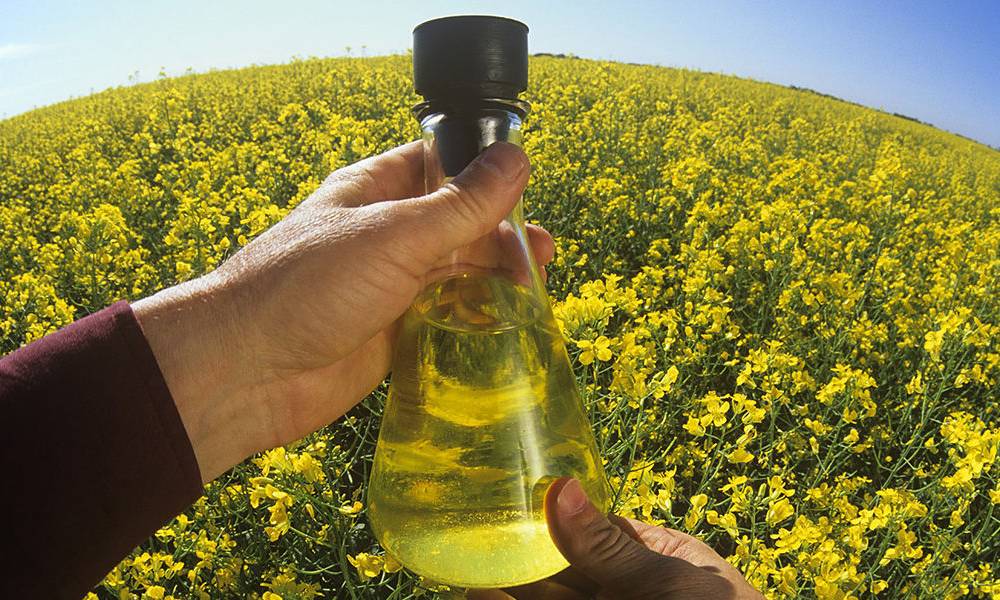
U.S. canola plantings are expected to reach a record high in 2026 as rapidly expanding renewable diesel production boosts demand for oilseed crops. New federal biofuel policies are encouraging greater investment in canola cultivation and processing, as well as other crops that can be used as biofuel feedstocks.
The expansion has been driven by the Trump administration’s updated Renewable Volume Obligations (RVOs), which raised biomass-based diesel blending requirements for 2026 by 62% from the previous year. As a result, U.S. renewable diesel output reached a record monthly high in June. The U.S. Energy Information Administration (EIA) expects renewable diesel production to hit a new annual record in 2026, with further growth projected for both renewable diesel and biodiesel in 2027.
Higher biofuel production is sharply increasing demand for feedstocks. Analysts say every additional gallon of renewable diesel requires more vegetable oils, particularly soybean and canola oil, as well as corn oil, animal fats and used cooking oil. According to estimates, the Environmental Protection Agency’s 2026-2027 mandates will increase biomass-based diesel feedstock demand by 57% in 2026 and by 81% in 2027 compared with 2025.
Canola is expected to be one of the main beneficiaries of this trend. The U.S. Department of Agriculture (USDA) forecasts planted area at 2.96 mln acres this year, nearly 30% above last year’s level and a new record. North Dakota remains the country’s largest producer, but acreage is expanding rapidly across southern states, where farmers are increasingly adding canola to rotations with soybeans and cotton. Companies including Bunge, Chevron, Corteva and Scoular are also investing in canola production and processing while offering growers guaranteed marketing opportunities.
At the same time, the United States continues to expand its oilseed crushing capacity. More than $6 billion has been invested in new processing facilities over the past five years. These plants produce both vegetable oil for biofuels and high-protein meal for livestock feed, improving canola’s profitability. Industry analysts note that canola is becoming a higher-value alternative to wheat, whose planted area in the U.S. is estimated to decline by about 6% this year.
Beyond canola, energy companies are increasingly investing in emerging oilseed crops, including pennycress (a plant once considered a common weed that is being transformed into a promising commercial crop through plant breeding and gene editing), camelina and mustard. These crops are viewed as promising feedstocks for sustainable aviation fuel (SAF) and renewable diesel production, although their broader adoption remains constrained by limited production volumes and the need for further government policy support for the biofuels sector.
Read also
Cameroon aims to boost corn production to 6 mln tons by 2030
Black Sea war enters a new phase of escalation, threatening global grain supplies
Egypt plans to raise domestic wheat procurement prices
Tunisia purchases 26.5 thsd tons of feed corn in tender
Palm oil prices rise on strong Malaysian exports and higher crude oil prices




Got additional questions?
We will be happy to assist!
Write to us
Our manager will contact you soon