

US and Iran Reach Agreement to Reopen the Strait of Hormuz
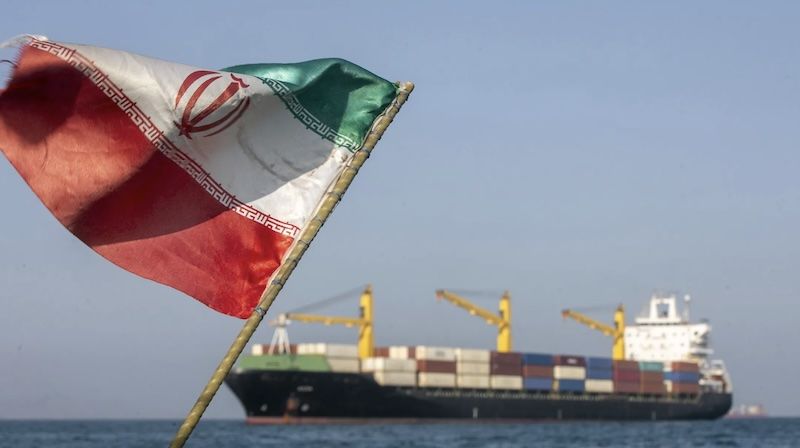
US President Donald Trump announced that Washington and Tehran have reached a final agreement to reopen the Strait of Hormuz and extend the ceasefire. According to Trump, demining operations will begin after a memorandum of understanding is signed in Switzerland on Friday, paving the way for the restoration of shipping through the strategically important waterway.
Iran’s Supreme National Security Council confirmed that the text of the agreement has been finalized. Iranian Deputy Foreign Minister Kazem Gharibabadi stated that the official signing ceremony will take place with the participation of international mediators. Pakistan and Qatar played key roles in facilitating the negotiations and have also confirmed that a compromise has been reached.
The de-escalation news had an immediate impact on global financial markets. Brent crude prices fell nearly 5% during Asian trading, dropping to $83.21 per barrel. Meanwhile, stock markets rallied, with Japan’s Nikkei index surging more than 5%, while U.S. and European equity futures moved higher.
Analysts noted that markets had been waiting for signs that shipping through the Strait of Hormuz would resume. The waterway handles roughly one-fifth of global crude oil and liquefied natural gas shipments. The decline in crude oil prices also eased inflation concerns, pushing U.S. 10-year Treasury yields lower and weakening the U.S. dollar index.
Despite the positive market reaction, investors remain cautious. Gold, traditionally viewed as a safe-haven asset, rose nearly 2% and remained above $4,300 per ounce. The move suggests that some market participants are still uncertain about the successful implementation of the agreement between the United States and Iran.
Under the preliminary terms, Iran will begin a phased reopening of the Strait of Hormuz and carry out demining operations over the first 30 days. Tehran has also agreed not to charge transit fees for vessels during the 60-day agreement period, while the United States will fully lift its naval blockade of Iranian ports. The two sides are also expected to begin discussions on Iran’s nuclear program and mechanisms for monitoring its stockpile of enriched uranium.
At the same time, the shipping industry remains cautious about returning to normal operations. According to analytics firm Kpler, nearly 600 vessels are currently waiting in the Persian Gulf for access through the strait. Many shipowners and operators are seeking additional security guarantees, as previous ceasefire efforts have repeatedly collapsed following new military incidents.
Experts believe that loaded crude oil tankers will be the first to resume transit through the strait, with other vessels gradually following once safe navigation conditions are confirmed. If fully implemented, the agreement could become a significant step toward stabilizing global energy markets, lowering crude oil prices, and easing the effects of the energy crisis that has weighed heavily on the world economy in recent months.
Read also
Coming Up in UkrAgroConsult Reports: Key Market Signals
Dragon Capital forecasts reopening of Black Sea grain corridor in 2027
Iran and Afghanistan are the only markets where Russian wheat has gained market share
USDA raises US corn production forecast
Global palm oil stocks to fall to lowest level since 2017/18 — USDA




Got additional questions?
We will be happy to assist!
Write to us
Our manager will contact you soon