Ukraine’s “grain trap” or why a good harvest is failing to cheer farmers
жнива

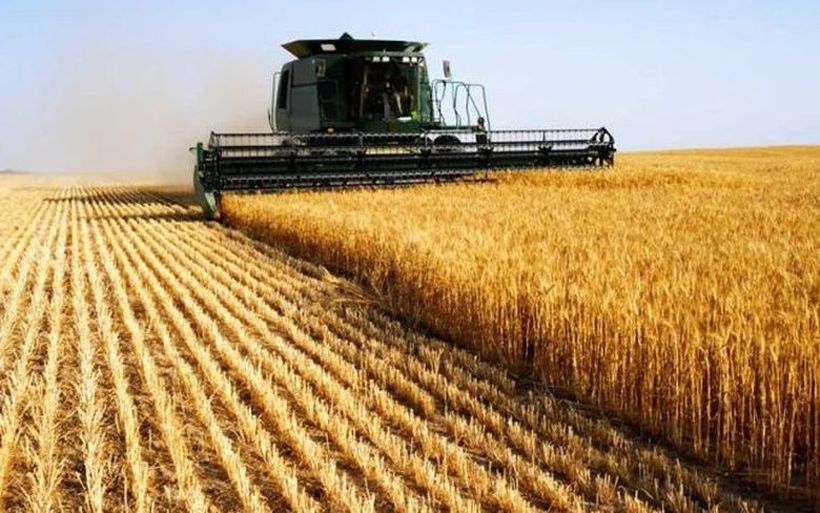
Ukrainian farmers have harvested 5.47 mln tons of grains and pulses from 1.34 mln ha, or 11% of the projected area. The largest volumes were collected in Odesa, Mykolaiv and Dnipropetrovsk regions. Harvesting started earlier than usual in several regions due to an early spring, accelerated crop development, drought and high temperatures.

Initial yield results remain relatively good. Some farms are harvesting rapeseed at around 3.5 t/ha and winter barley at 4.5 t/ha, while wheat yields may reach 5–7 t/ha. At the same time, spring frosts, heat and moisture shortages have already reduced yields at some farms, while further results will depend on weather conditions.

Farmers cite the sharp increase in fuel, fertilizer and other input costs as their main challenge. Some farms have been forced to buy diesel on credit at around UAH 87/litre, while prices in some areas reached UAH 115/litre in the spring. The situation is further complicated by a shortage of machinery operators, worker mobilization and the need to rent equipment at higher prices.

The greatest concern is caused by Russian attacks on Odesa ports and foreign vessels, which have brought seaborne exports to a virtual standstill. Logistics disruptions are already weighing on domestic purchase prices. According to farmers, wheat prices have fallen from UAH 10,700/t last autumn to around UAH 8,700/t, while milling wheat is being offered at just UAH 5,000/t in some regions.

Rapeseed prices at some processing plants have fallen from UAH 26,500/t to UAH 23,000/t within a week, while queues have formed outside the facilities. Analysts estimate that farmers are losing around $70 on every ton of rapeseed. As a result, producers are likely to sell only the minimum volumes needed to repay loans and finance ongoing fieldwork.

Ukraine’s Agriculture Ministry is discussing broader state support, insurance instruments and compensation for losses, as well as the purchase of grain bags for temporary storage. A systemic crisis could be avoided if port exports resume within one or two months. However, a prolonged disruption to maritime logistics could lead to a shortage of storage capacity and force farmers to sell crops at prices close to production costs.

For almost 30 years of expertise in the agri markets, UkrAgroConsult has accumulated an extensive database, which became the basis of the platform AgriSupp.

It is a multi-functional online platform with market intelligence for grains and oilseeds that enables to get access to daily operational information on the Black Sea & Danube markets, analytical reports, historical data.

You are welcome to get a 7-day free demo access!!!

Tags: , , , , ,

Got additional questions?
We will be happy to assist!

Secret Link